


🌿 Plant Profile - Juniper (Juniperus communis)
- Josh Goheen

- Dec 24, 2025
- 18 min read
🌿 Juniper
Botanical Name: Juniperus communis (primary medicinal species)
Family: Cupressaceae
Common Names: Juniper, Common Juniper, Juniper Berry
Parts Used: Berries (female cones), leaves/needles (primarily external or ritual use)
Energetics: Warming, drying, penetrating
Tissue States: Dampness, stagnation, cold, toxicity, microbial overload
Primary Actions: Diuretic, urinary antiseptic, carminative, digestive stimulant, antimicrobial, diaphoretic, alterative, rubefacient
🌱 Botanical Description of Juniper
Juniperus communis is an evergreen coniferous shrub or small tree that is native to various regions across the globe, including:
Europe, where it is often found in both mountainous and lowland areas, adapting well to various climates.
Asia, particularly in the northern parts, where it thrives in diverse habitats ranging from forests to rocky outcrops.
North America, where it is commonly found in the western regions, especially in the mountainous terrains of the Rocky Mountains.
It is recognized as one of the most widely distributed conifers in the world, with its presence extending across multiple continents and climates, showcasing its remarkable adaptability and resilience.
Identifying features:
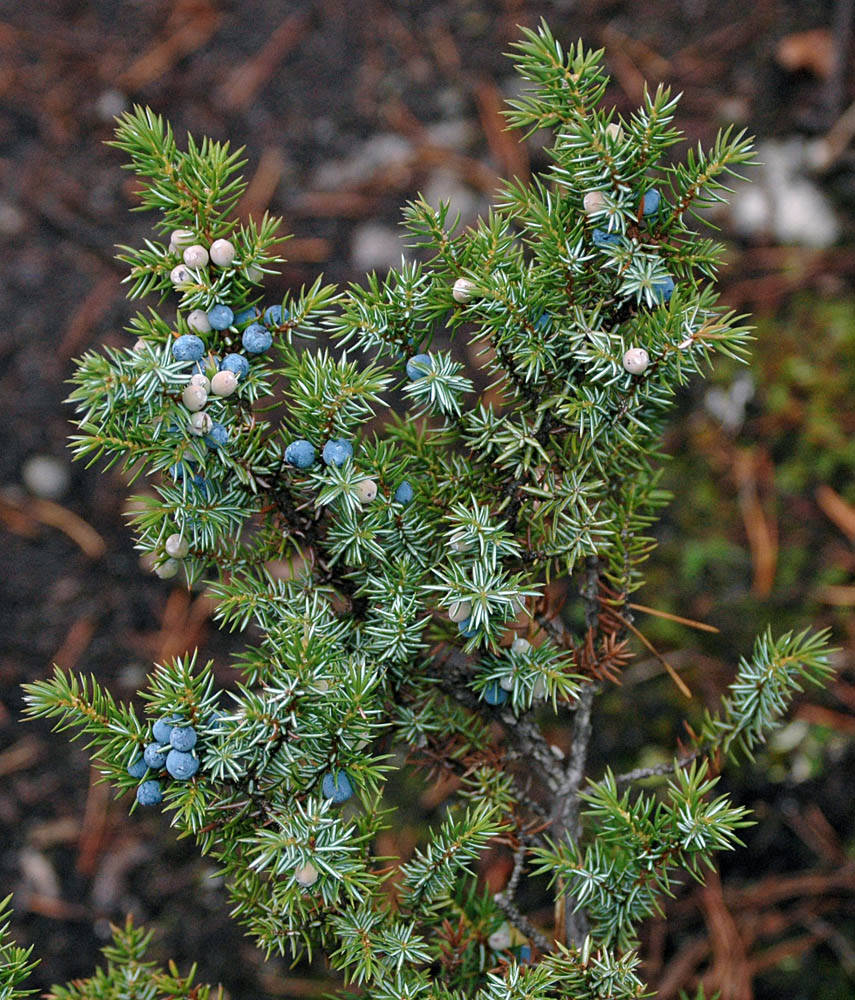
Sharp, needle-like leaves that are arranged in whorls of three, giving the plant a distinctive appearance. These leaves can vary in color from a vibrant green to a bluish hue, depending on the specific variety and environmental conditions.
Blue-green waxy “berries,” which are technically classified as seed cones, are a notable characteristic of the juniper. These berries are not only visually appealing but are also an essential part of the plant's reproduction process, attracting various birds that help disperse the seeds.
A strong resinous, pine-like aroma emanates from the foliage and berries, which is particularly pronounced when the leaves are crushed. This aromatic quality is one reason why juniper is often used in traditional medicine and culinary applications.
Juniper exhibits a slow-growing, hardy habit, often reaching heights of 1 to 6 meters. Its growth pattern allows it to withstand harsh conditions, making it a popular choice for landscaping in challenging environments.
Juniper thrives in a variety of challenging conditions, including:
Poor, rocky soils that may not support many other plant species, showcasing its ability to flourish where nutrients are limited.
Dry hillsides, where it can endure prolonged periods of drought, thanks to its deep root system that allows it to access moisture from the soil.
Open woodlands, where it can coexist with other flora, contributing to the biodiversity of the ecosystem.
Cold, high-altitude environments, where it has adapted to survive in extreme temperatures and harsh weather conditions, making it a vital component of alpine ecosystems.
The berries of the juniper take 2–3 years to mature, during which time they concentrate their medicinal potency. This extended maturation period allows for the development of their characteristic flavor and health benefits, which have been utilized in various traditional remedies and culinary practices throughout history. The berries are often harvested for their essential oils, which are prized for their antibacterial and antifungal properties, further enhancing the significance of this remarkable plant in both natural and cultural contexts.
📜 Etymology & Names
“Juniperus” likely derives from the Latin term junior, which translates to “younger.” This connection emphasizes the evergreen nature of the juniper plant, symbolizing vitality and resilience. The term reflects the plant's ability to thrive in various environments, maintaining its lush green foliage throughout the seasons, which can be seen as a metaphor for youthfulness and enduring life.
Alternatively, the name Juniper is linked to the Celtic word jeneprus, which means “rough or bitter.” This association may stem from the plant's distinctive aromatic qualities, as well as its sharp, needle-like leaves. The bitterness could also refer to the taste of the berries produced by the juniper, which are often used in culinary applications, particularly in flavoring gin and other spirits, where their unique taste profile adds complexity to beverages.
Throughout history, juniper has been commonly associated with purification rituals across various cultures. In many traditions, the smoke of burning juniper berries or branches has been used to cleanse spaces, ward off negative energies, and promote healing. This practice can be traced back to ancient civilizations, where juniper was revered not only for its aromatic properties but also for its perceived spiritual significance. The plant has often been used in religious ceremonies and rites, symbolizing protection and the cleansing of the spirit, reinforcing its role as a sacred herb in numerous cultural practices.
🧿 Historical & Traditional Uses
European Herbalism
Juniper has been particularly valued for its ability to address a range of health issues, including:
Urinary tract infections: Juniper berries contain compounds that are believed to have diuretic properties, which help in flushing out bacteria from the urinary tract, thus providing relief from infections.
Kidney and bladder weakness: Traditional herbalists have often recommended juniper to strengthen the kidneys and bladder, promoting overall urinary health and function.
Rheumatism: The anti-inflammatory properties of juniper have made it a popular remedy for rheumatic conditions, providing relief from pain and swelling in the joints and muscles.
Digestive stagnation: Juniper is known to stimulate appetite and improve digestion, making it beneficial for those suffering from digestive issues such as bloating and gas.
Protection against plague: Historically, juniper was believed to have protective qualities against various diseases, including the plague. It was often burned as a form of fumigation during epidemics, with the smoke thought to purify the air and ward off illness.
In addition to these uses, juniper was frequently incorporated into various herbal blends and tonics, reflecting its integral role in the practices of European herbalism.
Indigenous North American Use
For many Indigenous tribes across North America, juniper has held significant cultural and medicinal value. The plant has been employed in various traditional practices, including:
Kidney and bladder conditions: Similar to European practices, Indigenous healers utilized juniper to treat ailments related to the kidneys and bladder, recognizing its beneficial effects on urinary health.
Colds and respiratory congestion: The aromatic properties of juniper made it a popular choice for treating respiratory issues. Its smoke was often inhaled to relieve symptoms associated with colds and congestion.
Joint pain: Indigenous peoples also relied on juniper for its analgesic properties, using it to alleviate joint pain and inflammation, particularly in cases of arthritis.
Wound washes: Juniper was commonly used in poultices and washes for treating wounds, thanks to its antiseptic qualities that helped prevent infection and promote healing.
Ceremonial purification: Beyond its medicinal uses, juniper played a vital role in spiritual practices. It was often burned in ceremonies to purify spaces and individuals, believed to cleanse negative energies and invite positive spirits.
The deep connection between juniper and Indigenous healing practices underscores the plant's importance in cultural traditions and its role in maintaining health and well-being.
Tibetan & Himalayan Traditions
In the high-altitude regions of Tibet and the Himalayas, juniper is revered not only for its medicinal properties but also for its spiritual significance. The smoke from juniper is still widely used in various rituals, serving multiple purposes such as:
Ritual cleansing: Juniper smoke is often employed in purification rituals, believed to cleanse both the physical and spiritual realms, making it a staple in many traditional ceremonies.
Spiritual protection: The aromatic qualities of juniper are thought to provide a protective barrier, shielding individuals from negative energies and harmful spirits during spiritual practices.
Invoking clarity and blessing: Many practitioners use juniper in meditation and prayer, as its scent is believed to enhance clarity of thought and invite blessings from higher powers, fostering a deeper connection to the spiritual world.
The enduring significance of juniper in Tibetan and Himalayan traditions highlights its multifaceted role in both health and spirituality, demonstrating how this ancient plant continues to be a vital part of cultural practices today.
🩺 Medicinal Actions & Indications
⭐ 1. Urinary Antiseptic & Diuretic
Juniper strongly stimulates various renal functions, leading to several beneficial effects on the urinary system. Its diuretic action enhances:
Renal filtration: Juniper promotes the kidneys' ability to filter blood more effectively, facilitating the removal of toxins and excess substances.
Urinary output: By increasing the volume of urine produced, juniper helps in flushing out harmful pathogens and waste materials from the urinary tract.
Elimination of waste: The herb aids in the efficient expulsion of metabolic waste, which is crucial for maintaining overall health and preventing the buildup of harmful substances.
This remarkable herb is utilized for a variety of conditions, including:
Urinary tract infections: Juniper's antiseptic properties make it an effective natural remedy for combating infections in the urinary system.
Bladder catarrh: It helps alleviate inflammation and discomfort associated with bladder issues.
Water retention: By promoting diuresis, juniper assists in reducing excess fluid in the body, which can be particularly beneficial for those experiencing edema.
Damp accumulation: The herb can help to clear out excess moisture from the body, addressing issues related to dampness that may lead to various health problems.
It is important to note that juniper is best for short-term use only, as prolonged consumption may lead to adverse effects on the kidneys.
⭐ 2. Digestive Stimulant & Carminative
Juniper plays a vital role in enhancing digestive health by:
Increasing gastric secretions: The herb stimulates the production of digestive juices, which are essential for breaking down food and absorbing nutrients.
Reducing gas and bloating: Juniper's carminative properties help to alleviate discomfort caused by excessive gas, promoting a more comfortable digestive experience.
Warming cold digestion: By providing a warming effect, juniper can invigorate sluggish digestive systems, making it particularly useful in colder climates or for individuals with a tendency towards digestive coldness.
Enhancing bile flow: Juniper aids in the secretion of bile, which is crucial for the digestion of fats and the absorption of fat-soluble vitamins.
This herb is particularly useful for addressing various digestive issues, including:
Sluggish digestion: Juniper can help stimulate digestive processes, making it beneficial for those who experience slow or inefficient digestion.
Appetite loss: By enhancing the digestive system's functionality, juniper may help rekindle a diminished appetite, encouraging regular eating habits.
Fat malabsorption: Its ability to enhance bile flow can assist individuals who struggle with the absorption of dietary fats, promoting better nutrient uptake.
⭐ 3. Antimicrobial
Juniper exhibits potent antimicrobial properties, making it effective against a range of pathogens, including:
Bacteria: The herb can combat various bacterial strains, helping to prevent and treat infections.
Fungi: Juniper is also effective against fungal infections, providing a natural alternative to synthetic antifungal treatments.
Some viruses: Its antiviral properties can aid in the management of certain viral infections, although it is typically used in conjunction with other treatments.
Juniper can be used both internally, for a short duration, and externally for treating infections, making it a versatile addition to herbal medicine practices. Its broad-spectrum antimicrobial action underscores its value in promoting health and well-being.
⭐ 4. Anti-rheumatic
Juniper plays a significant role in alleviating various forms of joint discomfort and inflammation. By effectively reducing dampness in the body and stimulating circulation, juniper proves to be a valuable ally for those suffering from a range of conditions associated with joint pain and stiffness. Its therapeutic properties are particularly beneficial for:
Arthritic pain: This condition, characterized by inflammation of the joints, often leads to pain, swelling, and reduced mobility. Juniper's ability to enhance blood flow helps to alleviate these symptoms, providing relief and improving joint function over time.
Gout: A type of inflammatory arthritis caused by the accumulation of uric acid crystals in the joints, gout can cause severe pain and discomfort. Juniper's anti-inflammatory properties assist in reducing the swelling and pain associated with gout attacks, making it a useful natural remedy.
Rheumatism: This term encompasses various conditions that cause chronic pain and inflammation in the joints and connective tissues. Juniper's stimulating effects on circulation can help mitigate the symptoms of rheumatism, promoting better joint health and mobility.
Cold, damp joint conditions: Many individuals experience joint pain exacerbated by cold and damp weather. Juniper's warming properties can help counteract these effects, providing comfort and relief to those affected by such environmental factors.
In addition to its internal benefits, juniper is often utilized externally in the form of oils or liniments. These topical applications can target specific areas of discomfort, delivering the anti-rheumatic properties directly to the affected joints. The oil can be massaged into the skin, allowing for deep penetration and enhanced relief from pain and stiffness.
⭐ 5. Diaphoretic
Juniper also possesses diaphoretic properties, which means it promotes sweating, particularly beneficial during febrile or toxic states. When the body is fighting an infection or dealing with illness, inducing sweat can help to regulate body temperature and facilitate the elimination of toxins. By encouraging perspiration, juniper aids in the natural detoxification process, allowing the body to expel harmful substances more efficiently. This can be particularly useful during colds, flus, or other illnesses where the body is under stress, helping to restore balance and promote recovery.
⭐ 6. Alterative & Detoxifying
In traditional herbal medicine, juniper is often classified as an alterative and detoxifying agent. Its role in stimulating elimination through the kidneys and skin is crucial for maintaining overall health. By promoting the excretion of waste products and toxins, juniper is viewed as a natural "blood cleanser." This cleansing effect is believed to contribute to improved vitality and well-being, as it helps to purify the blood and enhance the body's natural detoxification pathways. Regular use of juniper can support kidney function, encouraging the proper filtration of blood and the removal of excess substances, ultimately leading to a healthier internal environment.
🔬 Chemistry & Pharmacology
Juniper is renowned for its diverse chemical constituents and significant pharmacological properties. The primary constituents of juniper berries and other parts of the plant include:
Volatile oils (α-pinene, β-pinene, sabinene, myrcene): These volatile oils are critical components of juniper's aroma and flavor profile. α-pinene and β-pinene are monoterpenes that contribute to the characteristic scent and possess various biological activities, including anti-inflammatory and bronchodilator effects. Sabinene is known for its antioxidant properties, while myrcene is recognized for its sedative effects, which can enhance relaxation and reduce anxiety.
Terpinen-4-ol (key urinary antiseptic): This compound is particularly significant due to its potent antiseptic properties, especially in the urinary tract. Terpinen-4-ol has been shown to inhibit the growth of certain pathogens, making it valuable in the treatment of urinary tract infections. Its effectiveness as a urinary antiseptic is attributed to its ability to disrupt the cell membranes of bacteria, thereby preventing their proliferation.
Flavonoids: These polyphenolic compounds are known for their antioxidant activities, which help combat oxidative stress in the body. Flavonoids in juniper may also contribute to its anti-inflammatory effects and support cardiovascular health by improving blood circulation and reducing blood pressure.
Tannins: Tannins are a group of polyphenolic compounds that have astringent properties. In juniper, they may play a role in digestive health by promoting the healing of mucous membranes and reducing inflammation in the gastrointestinal tract. Their antimicrobial properties can also help in controlling pathogenic bacteria.
Bitter principles: These compounds are responsible for the characteristic bitter taste of juniper and are thought to stimulate digestive secretions, enhancing appetite and promoting better digestion. They can also have a mild diuretic effect, contributing to the overall health benefits of juniper.
Pharmacological actions of juniper are diverse and impactful, including:
Renal irritation → increased urine flow: Juniper has been traditionally used as a diuretic, promoting increased urine output, which can aid in flushing out toxins and excess fluids from the body. This diuretic action is beneficial for individuals with fluid retention or those looking to support kidney health.
Antiseptic action in urinary tract: The antiseptic properties of juniper, particularly due to compounds like terpinen-4-ol, make it an effective natural remedy for urinary tract infections. By inhibiting bacterial growth, juniper can help alleviate symptoms and promote healing in the urinary system.
Digestive stimulation: Juniper is known to stimulate the secretion of digestive juices, which can enhance the digestive process. This property makes juniper beneficial for individuals experiencing indigestion or a lack of appetite, as it can facilitate better nutrient absorption and overall digestive health.
Mild anti-inflammatory effects: The anti-inflammatory properties of juniper can help reduce inflammation in various parts of the body, providing relief from conditions such as arthritis or muscle pain. The presence of flavonoids and other compounds contributes to this effect, making juniper a valuable addition to anti-inflammatory treatments.
⚗️ Preparations & Dosage
Infusion
To prepare a juniper infusion, start by using 1–2 teaspoons of crushed juniper berries for every cup of hot water. The berries should be gently crushed to release their essential oils and flavors, which enhances the infusion process.
Once the berries are added to the hot water, allow them to steep for a duration of 10–15 minutes. This steeping time is crucial as it allows the beneficial compounds within the berries to infuse into the water, resulting in a flavorful and aromatic beverage.
It is generally recommended to consume 1–2 cups of this infusion daily. This dosage can provide the body with the potential health benefits associated with juniper, including its diuretic properties and ability to support digestive health.
However, it is important to note that the infusion should not be used continuously for more than 2–3 weeks at a time. Prolonged use may lead to adverse effects, so it is advisable to take breaks in between to ensure safety and efficacy.
Tincture (1:5, 60%)
For those who prefer a more concentrated form, a tincture of juniper can be utilized. The recommended dosage for the tincture is typically 1–2 mL taken twice daily. This concentrated form allows for easier absorption of the active compounds present in juniper.
It is essential to remember that this tincture should be used for short-term purposes only. Extended use of tinctures can lead to potential side effects, so it is best to consult with a healthcare professional regarding the appropriate duration of use.
Decoction
Another method of preparing juniper is through a decoction. For this, you will need 5–10 grams of juniper berries. The berries should be added to a pot of water and gently simmered for about 20 minutes. This method is particularly effective for extracting the robust flavors and health benefits of the berries.
After simmering, the decoction can be strained and consumed, providing a potent drink that can support various health functions, including detoxification and promoting healthy digestion.
Essential Oil (External Only)
Juniper essential oil is a potent extract that should be used externally only. To safely apply this oil, it is crucial to dilute it to a concentration of 1–2% in a carrier oil, such as coconut oil, almond oil, or jojoba oil. This dilution prevents skin irritation and allows for safe topical application.
Once diluted, the essential oil can be massaged into joints or muscles to help alleviate soreness and tension. The anti-inflammatory properties of juniper oil may provide relief from discomfort, making it a popular choice for those seeking natural remedies for muscle and joint pain.
⚠️ Contraindications & Safety
Avoid internal use if:
Kidney disease: Individuals suffering from any form of kidney disease should refrain from using juniper internally. This is primarily due to the herb's diuretic properties, which can exacerbate existing kidney conditions, leading to further complications and potentially worsening the overall health of the kidneys.
Nephritis: Those diagnosed with nephritis, an inflammation of the kidneys, should also avoid juniper. The herb's stimulating effects on kidney function can irritate the already inflamed tissues, potentially leading to increased pain or further damage to the kidneys.
Pregnancy: Pregnant individuals are advised against the internal use of juniper, as it may stimulate uterine contractions or lead to other complications during pregnancy. The safety of juniper during pregnancy has not been sufficiently studied, making it prudent to err on the side of caution.
Severe dehydration: In cases of severe dehydration, juniper may worsen the condition due to its diuretic effects, which can lead to an increased loss of fluids. It is essential to ensure proper hydration before considering the use of juniper in any form.
Use with caution if:
Using diuretics: If you are currently taking diuretic medications, it is crucial to consult with a healthcare professional before using juniper. The combined effects of juniper and diuretics may lead to excessive fluid loss, electrolyte imbalances, or dehydration, which can be harmful to overall health.
History of kidney stones: Individuals with a history of kidney stones should approach juniper with caution. The herb may increase the concentration of certain substances in the urine, potentially leading to the formation of new stones or aggravating existing ones. Monitoring and consultation with a healthcare provider are recommended.
Chronic inflammatory conditions: Those suffering from chronic inflammatory conditions should consider the potential effects of juniper on their health. While juniper has anti-inflammatory properties, it can also irritate the kidneys and urinary tract, which may exacerbate symptoms of inflammation in sensitive individuals.
Side effects (overuse):
Kidney irritation: Overuse of juniper can lead to irritation of the kidneys. Symptoms may include discomfort or pain in the lower back or sides, which can indicate that the kidneys are under stress from the herb's diuretic action.
Burning urination: Another potential side effect of excessive juniper consumption is burning during urination. This sensation can be uncomfortable and may signal that the urinary tract is being irritated by the herb.
GI upset: Gastrointestinal upset is a common side effect associated with the overuse of juniper. Symptoms may include nausea, vomiting, or diarrhea, reflecting the herb's strong active compounds that can disturb digestive processes when taken in large amounts.
Juniper is a short-term, condition-specific herb — not a daily tonic. It is important to understand that juniper should be used with intention and care, focusing on specific health conditions rather than as a regular supplement in one’s daily routine. Consulting with a healthcare provider before incorporating juniper into your regimen is advisable, especially for individuals with underlying health issues or those taking other medications.
🌿 Synergistic Pairings
For UTIs
Juniper is renowned for its diuretic properties, making it an excellent choice for supporting urinary tract health. When combined with other herbal allies, its effectiveness can be significantly enhanced. Here are some key synergistic pairings:
Uva ursi: Also known as bearberry, Uva ursi has been traditionally used for its antiseptic qualities in the urinary tract. The combination of Juniper and Uva ursi may help to soothe irritation and promote healing in the urinary system.
Corn silk: The silky threads of corn have been used for centuries to support urinary health. When paired with Juniper, corn silk can help to reduce inflammation and irritation, providing a gentle and effective remedy for UTIs.
Marshmallow root: This herb is known for its soothing mucilage, which can coat and protect the urinary tract lining. When combined with Juniper, marshmallow root can enhance the soothing effects, making it a perfect partner for those suffering from urinary discomfort.
Goldenrod: Often used as a natural diuretic, Goldenrod complements Juniper's properties by promoting urine flow and helping to flush out pathogens from the urinary system. Together, they create a powerful herbal synergy for combating UTIs.
For digestion
Juniper is not only beneficial for urinary health but also plays a significant role in promoting digestive wellness. Its aromatic compounds can stimulate digestion and alleviate discomfort. Here are some effective herbal pairings:
Angelica: Known as a digestive tonic, Angelica can help to ease bloating and gas. When combined with Juniper, it enhances digestive function and promotes overall gut health.
Caraway: This spice is famous for its ability to relieve digestive disturbances. Pairing Caraway with Juniper can create a potent blend that not only aids digestion but also helps to reduce cramping and discomfort.
Fennel: Fennel seeds are renowned for their carminative properties, helping to relieve gas and bloating. The combination of Fennel and Juniper can provide a soothing effect on the digestive tract, making it a great choice for those with sensitive stomachs.
Ginger: Widely recognized for its anti-nausea effects, Ginger works harmoniously with Juniper to stimulate digestion and enhance nutrient absorption. Together, they create a powerful digestive aid that can alleviate various gastrointestinal issues.
For rheumatism
Juniper has been traditionally used to alleviate symptoms associated with rheumatism and joint pain due to its anti-inflammatory properties. When synergized with other potent herbs, it can provide significant relief. Here are some beneficial pairings:
Devil’s claw: This herb is well-known for its ability to reduce pain and inflammation associated with arthritis and rheumatism. When used alongside Juniper, it can enhance the overall anti-inflammatory effects, providing better relief for those suffering from joint pain.
Ginger: In addition to its digestive benefits, Ginger is also a powerful anti-inflammatory herb. The combination of Ginger and Juniper can help alleviate pain and stiffness in the joints, making it an excellent remedy for rheumatism.
Turmeric: Renowned for its active compound curcumin, Turmeric is another potent anti-inflammatory agent. When combined with Juniper, it can create a robust herbal formulation that targets inflammation and promotes joint health effectively.
External cayenne: While often used topically, cayenne can provide warming relief to sore joints and muscles. When used in conjunction with Juniper, it may enhance circulation and reduce pain, making it a valuable addition to a rheumatism relief regimen.
🔮 Spiritual & Esoteric Lore
Juniper is one of the great purifying plants found across the vast landscapes of Eurasia and the Americas. This remarkable plant is not only valued for its aromatic properties but also holds a deep significance in various spiritual and esoteric traditions. Its presence in rituals and healing practices highlights its role as a powerful ally in the realm of energetic cleansing and protection.
Energetic Themes
Clearing: Juniper is renowned for its ability to clear stagnant or negative energies from both environments and individuals. The act of burning juniper or using its essential oil is believed to create a barrier that dispels unwanted influences, making way for positive energy to flow freely.
Protection: Many cultures have utilized juniper as a protective agent against malevolent forces. Its strong, aromatic profile is thought to create a shield that guards the spirit and body from harm, whether it be from physical threats or psychic intrusions.
Boundary-setting: The sharp, needle-like leaves of the juniper plant symbolize the establishment of boundaries. This theme resonates with the idea of creating a personal space that is respected by others, aiding individuals in asserting their needs and maintaining their energetic integrity.
Discernment: Juniper encourages clarity of thought and the ability to discern between beneficial and harmful energies. This quality is crucial for navigating the complexities of interpersonal relationships and spiritual practices, enabling one to make informed choices that align with their highest good.
Spiritual hygiene: Just as one would maintain physical hygiene, juniper promotes the concept of spiritual hygiene, emphasizing the importance of regularly cleansing one’s energy field to prevent the accumulation of negativity and to foster overall well-being.
Traditional Spiritual Uses
Burned to cleanse spaces and people: The practice of burning juniper, often in the form of incense or smudge sticks, is a time-honored tradition aimed at purifying spaces, objects, and individuals. This ritual is commonly performed before significant events or gatherings to ensure a harmonious atmosphere.
Used to ward off disease and malevolent influences: In various folk traditions, juniper has been employed as a protective herb against illnesses and negative energies. Its smoke is believed to carry away impurities and safeguard the health of those present.
Carried for protection during travel: Travelers have long carried juniper berries or twigs as talismans to safeguard their journeys. This practice stems from the belief that juniper can provide a protective aura, ensuring safe passage and shielding against unforeseen dangers.
Used in rites of passage: Juniper plays a significant role in various rites of passage, symbolizing transition and transformation. Whether in birth ceremonies, coming-of-age rituals, or funerals, juniper serves as a conduit for spiritual guidance and protection during these pivotal moments.
Doctrine of Signatures
Sharp needles → boundaries and protection: The physical characteristics of juniper, particularly its sharp needles, reflect its energetic properties. These needles symbolize the importance of setting and maintaining boundaries, both in the physical and spiritual realms.
Resinous scent → purification and preservation: The distinctive resinous aroma of juniper is associated with purification. This scent is not only pleasing but also serves as a reminder of the plant's ability to preserve and protect the spirit from decay and negativity.
Evergreen nature → vitality and endurance: As an evergreen plant, juniper represents eternal life and resilience. Its ability to thrive in diverse environments speaks to its strength and adaptability, qualities that are mirrored in the human spirit when faced with challenges.
Juniper teaches:
“Clear what does not belong. Protect what must remain.” This profound lesson resonates deeply within the context of personal growth and spiritual development, encouraging individuals to actively engage in the process of discernment, purification, and protection of their inner sanctum. By embracing the teachings of juniper, one can cultivate a clearer, more vibrant existence that honors both the self and the sacred space they inhabit.
✅ Final Thoughts
Juniper is a sharp, clarifying, and protective herb that excels at:
Eliminating dampness
Supporting urinary health (short-term)
Stimulating digestion
Relieving cold, damp joint pain
Purifying body and space
It is not a gentle tonic, but a precision tool — best used briefly, purposefully, and with respect.


Comments