


🌿 Plant Profile - Coltsfoot (Tussilago farfara)

🌿 Coltsfoot
Botanical Name: Tussilago farfara
Family: Asteraceae
Common Names: Coltsfoot, Coughwort, Horsefoot, Ass's Foot, Filius ante patrem
Parts Used: Leaves and flowers, traditionally the leaf
Energetics: Cooling, moistening, soothing, demulcent
Tissue States: Dryness, irritated mucous membranes, hot and dry cough, bronchial irritation, respiratory inflammation
Primary Actions: Demulcent, expectorant, antitussive, mucosal protectant, anti-inflammatory, respiratory soothing
🌱 Botanical Description of Coltsfoot
Coltsfoot is a perennial herb that belongs to the Asteraceae family, a diverse group of flowering plants that includes daisies, sunflowers, and chrysanthemums. This particular herb is renowned for its unique growth pattern and life cycle, which have contributed to its prominence in European herbal medicine for centuries. The plant is not only valued for its medicinal properties but also for its striking appearance, making it a subject of interest for botanists and herbalists alike.
Coltsfoot is native to a wide geographical range, thriving in various climates and environments. It can be found in:
Europe: It is prevalent across many countries, particularly in temperate regions where it flourishes in disturbed soils.
Northern Africa: The plant has adapted to the climates found in this region, often growing in areas that are disturbed or have been altered by human activity.
Western and Central Asia: Here, coltsfoot can be found in diverse habitats, from riverbanks to mountainous areas, showcasing its adaptability to different soil types and conditions.
In addition to its native regions, coltsfoot has also become naturalized in various parts of the world, demonstrating its resilience and ability to thrive in new environments. It is commonly found in:
North America: Introduced by early settlers, coltsfoot has established itself in many areas, particularly in the eastern United States and Canada.
South America: In certain regions, it has adapted to local conditions and can be seen growing in disturbed habitats.
Australia: The plant has found a niche in various ecosystems, often in areas that have been disturbed by human activities.
Coltsfoot exhibits a preference for disturbed and compacted soils, which is why it commonly appears in areas that have been altered by human intervention. You can frequently find this hardy herb along:
Roadsides: The plant often flourishes in the nutrient-rich soils disturbed by road construction and maintenance.
Riverbanks: Its ability to stabilize soil makes it a common sight along waterways, where it helps prevent erosion.
Ditches: The moist conditions found in ditches provide an ideal environment for coltsfoot to thrive.
Waste ground: Areas that have been neglected or abandoned often see the emergence of coltsfoot, as it can tolerate poor soil conditions.
Clay soils: The plant's robust root system allows it to penetrate heavy clay, where other plants may struggle.
Gravelly areas: Coltsfoot can adapt to less-than-ideal growing conditions, including rocky or gravelly soils.
Embankments: Its creeping rhizomes help it to stabilize these slopes, making it an important plant for preventing soil erosion.
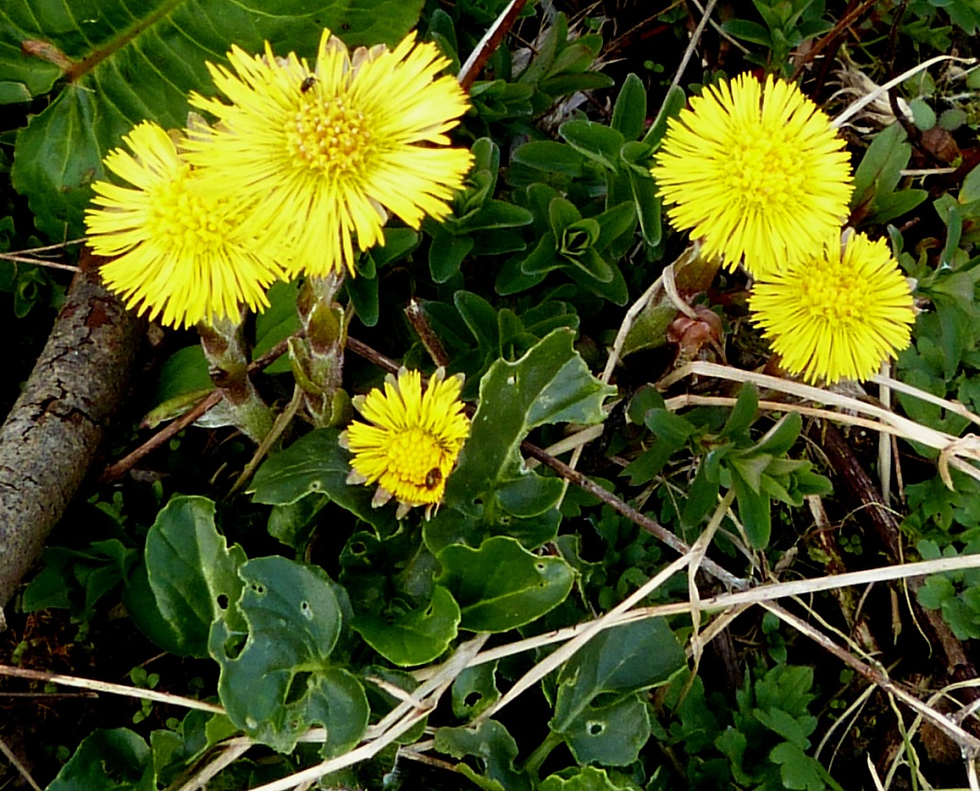
One of the most intriguing characteristics of coltsfoot is its unique growth cycle, where the flowers emerge before the leaves do. In the early spring, bright yellow flowers burst forth from the ground on scaly stalks, resembling small dandelions, which adds a splash of color to the otherwise barren landscape. This phenomenon is known as anthesis, where the flowering phase occurs prior to the foliage development, a strategy that allows the plant to maximize sunlight exposure during the early growing season.
Following the flowering period, the characteristic large leaves of coltsfoot make their appearance. These leaves are key identifying features of the plant and include:
Bright yellow composite flowers: The flowers are composed of numerous tiny florets arranged in a circular pattern, creating a striking visual display.
Scaly, reddish-brown flower stalks: These stalks are robust, supporting the flowers as they rise above the ground.
Large rounded leaves: The leaves can grow quite large, providing ample surface area for photosynthesis.
White, woolly undersides of the leaves: This distinctive feature helps to identify coltsfoot among similar plants.
Long creeping rhizomes: These underground stems allow the plant to spread and colonize new areas effectively.
The leaves of coltsfoot are somewhat hoof-shaped, which is the origin of its common name "Coltsfoot." This name is derived from the resemblance of the leaves to the shape of a horse's hoof, reflecting the plant's historical use in veterinary medicine as well. The botanical name Tussilago is derived from Latin roots that relate to coughing, specifically from the word "tussis," which means cough. This nomenclature highlights the plant's longstanding reputation as a remedy for respiratory ailments, particularly coughs and bronchitis.
Throughout history, herbalists and traditional medicine practitioners have recognized coltsfoot not just for its striking appearance but also for its therapeutic properties. The very name of the plant seems to affirm its identity as a medicinal herb, making it a fascinating subject for both botanical study and herbal practice. As such, coltsfoot continues to be a valuable plant in the realms of herbalism and natural medicine, celebrated for its efficacy and unique characteristics.
📜 History & Traditional Uses
European Herbal Medicine
Coltsfoot has a rich history of use that spans centuries within European traditional medicine. This perennial herb, characterized by its broad leaves and bright yellow flowers, has been recognized not only for its aesthetic appeal but also for its medicinal properties. Its use can be traced back to ancient times, where it was revered for its therapeutic benefits, particularly in treating ailments associated with the respiratory system.
Classical herbalists, who meticulously documented their findings and practices, valued coltsfoot primarily for its effectiveness in alleviating various respiratory diseases. The plant's unique composition, which includes flavonoids, saponins, and mucilage, contributed to its widespread adoption in herbal remedies. Traditional applications of coltsfoot were diverse and included:
Persistent cough: Coltsfoot was commonly used to soothe lingering coughs that refused to subside, providing relief and promoting healing.
Hoarseness: The herb was employed to alleviate hoarseness, helping to restore the voice and soothe the throat.
Bronchial irritation: Its anti-inflammatory properties made coltsfoot a go-to remedy for calming bronchial irritation, reducing discomfort in the airways.
Sore throat: Coltsfoot was often brewed into teas or infusions to ease the pain associated with sore throats, acting as a natural demulcent.
Excessive mucus: The herb was noted for its ability to help reduce excessive mucus production, making it beneficial for individuals suffering from conditions like bronchitis.
Shortness of breath: Coltsfoot was traditionally utilized to assist those experiencing shortness of breath, providing a sense of relief and ease in breathing.
Catarrhal conditions: The herb was frequently recommended for catarrhal conditions, which involve excessive mucus buildup and inflammation of the mucous membranes.
The flowers of coltsfoot were typically harvested in early spring, a time when their vibrant yellow blooms are most prominent. The leaves, on the other hand, were gathered later in the growing season, as they became more robust and plentiful. This seasonal harvesting not only ensured the availability of the plant's medicinal parts but also reflected the deep connection between herbalists and the rhythms of nature.
Classical Herbal Tradition
Coltsfoot holds a significant place in the annals of European herbal literature, with references to its use appearing in texts dating back many centuries. Its traditional reputation was particularly strong for treating coughs that were:
Dry: Coltsfoot was favored for its ability to alleviate dry coughs, which can be particularly uncomfortable and unproductive.
Irritating: The herb was valued for its soothing properties, helping to calm irritating coughs that could lead to further throat discomfort.
Persistent: For those suffering from stubborn coughs that lingered, coltsfoot provided a natural remedy that aimed to promote healing and recovery.
Spasmodic: Its use was also noted for spasmodic coughs, which can be distressing and disruptive, as it helped to ease the spasms in the respiratory tract.
Accompanied by throat irritation: The herb's demulcent qualities made it particularly effective for coughs that were accompanied by throat irritation, providing much-needed relief.
In addition to its use in teas and syrups, coltsfoot was sometimes smoked as a traditional respiratory remedy. This practice, however, raises modern health concerns, as inhaling smoke can irritate the lungs and negate the herb's beneficial properties. Despite this, the historical use of coltsfoot underscores its significance in herbal medicine and the lengths to which traditional practitioners would go to harness its potential healing effects. Today, while the methods of consumption may have evolved, the legacy of coltsfoot as a valuable herbal ally in respiratory health continues to be recognized and appreciated in various forms of herbal practice.
🩺 Medicinal Actions & Indications
🫁 1. Demulcent Respiratory Soother (Primary Traditional Use)
The defining quality of Coltsfoot is its remarkable ability to soothe irritated respiratory tissues, making it a staple in traditional herbal medicine. This herb has been utilized for centuries, owing to its unique properties that provide relief from various respiratory ailments.
Traditional herbalists have long valued Coltsfoot for its effectiveness in addressing a range of respiratory issues. It has been particularly noted for its use in situations involving:
Dry cough: Coltsfoot is often recommended for individuals suffering from a persistent dry cough, which can be both uncomfortable and debilitating. The herb's soothing action helps to alleviate the irritation that triggers coughing, allowing for more restful breathing.
Scratchy throat: The herb is particularly effective in providing relief from a scratchy or sore throat. Its demulcent properties create a protective layer over the throat, reducing discomfort and promoting healing.
Bronchial irritation: Coltsfoot is utilized to calm bronchial irritation, which can occur due to allergies, pollutants, or infections. By soothing the bronchial passages, it helps to reduce inflammation and improve airflow.
Hoarseness: For those experiencing hoarseness, often a result of overuse of the voice or respiratory infections, Coltsfoot can be beneficial. It aids in restoring the normal function of the vocal cords by reducing inflammation in the throat.
Inflamed respiratory passages: Coltsfoot's anti-inflammatory properties make it an excellent choice for soothing inflamed respiratory passages. It helps to reduce swelling and irritation, promoting better respiratory health.
The mucilaginous constituents found in Coltsfoot are responsible for its ability to coat and soothe irritated tissues effectively. These mucilage compounds form a gel-like substance when mixed with water, which can adhere to the mucous membranes of the respiratory tract, providing a protective barrier against further irritation.
This makes Coltsfoot a classic herb for the traditional pattern of heat and dryness affecting the lungs. In traditional herbal practices, this pattern is often characterized by symptoms such as a dry cough, a feeling of tightness in the chest, and an overall sense of discomfort in the respiratory system. Coltsfoot not only addresses these symptoms but also works to restore balance within the body, promoting a more harmonious state of health.
🌬️ 2. Antitussive
Coltsfoot has a long-standing tradition in herbal medicine as an effective remedy for calming excessive coughing. This herb, with its distinctive yellow flowers and broad leaves, has been utilized for centuries across various cultures, primarily due to its soothing properties on the respiratory system.
It was particularly associated with:
Dry cough: This type of cough is characterized by a lack of mucus or phlegm, often resulting in a scratchy throat and discomfort. Coltsfoot is believed to help soothe the throat and reduce the urge to cough, providing relief to those suffering from this irritating condition.
Tickling cough: Often triggered by minor irritants in the throat, a tickling cough can be both annoying and persistent. The soothing properties of coltsfoot can help alleviate the tickling sensation, thereby reducing the frequency of coughs.
Persistent cough: A cough that lingers for an extended period can be indicative of an underlying issue. Coltsfoot has been traditionally used to address such persistent coughs, helping to calm the throat and mitigate the urge to cough, while also supporting overall respiratory health.
Irritating cough: This type of cough is often caused by environmental factors such as dust, smoke, or allergens. Coltsfoot may help to soothe the irritation in the throat, providing a natural means to ease the discomfort associated with such coughs.
Cough aggravated by speaking: For individuals who find that talking exacerbates their cough, coltsfoot can be particularly beneficial. By reducing throat irritation, it allows for more comfortable communication without triggering a coughing fit.
Rather than forcefully suppressing every cough, the traditional goal of using coltsfoot was to reduce the irritation that was provoking the cough reflex. This approach emphasizes the importance of addressing the root cause of the cough rather than merely silencing it. This distinction is important, as a productive cough, which is characterized by the expulsion of mucus, may serve an essential physiological function by clearing mucus from the airways. By allowing the body to perform its natural cleansing processes while alleviating unnecessary irritation, coltsfoot provides a balanced approach to cough management.
Furthermore, the use of coltsfoot as an antitussive aligns with a holistic understanding of health, where the focus is on supporting the body's natural defenses rather than overriding them. This methodology encourages the use of natural remedies that work in harmony with the body's systems, offering a gentler alternative to conventional cough suppressants that may have undesirable side effects.
💧 3. Expectorant
Coltsfoot has a long-standing history in traditional medicine, where it has been classified as an effective expectorant. This classification stems from its ability to facilitate the expulsion of mucus and phlegm from the respiratory tract, thereby aiding in the overall respiratory health of individuals.
Expectorants play a crucial role in promoting the movement of respiratory secretions, which can often become thick and difficult to expel, particularly during respiratory illnesses. Coltsfoot is believed to enhance this natural process, making it easier for individuals suffering from various respiratory conditions to breathe more freely. Historically, it has been used to address a range of respiratory issues, including:
Catarrh: This condition involves the excessive buildup of mucus in the airways, often leading to discomfort and difficulty in breathing. Coltsfoot has been used to alleviate the symptoms associated with catarrh by thinning the mucus and promoting its expulsion.
Thick mucus: When mucus becomes thick and sticky, it can obstruct air passages and contribute to coughing and irritation. Coltsfoot's expectorant properties help to break down this thick mucus, making it easier for the body to clear it from the lungs.
Bronchial congestion: Individuals suffering from bronchial congestion often experience tightness in the chest and difficulty in breathing due to the accumulation of mucus in the bronchial tubes. Coltsfoot has been traditionally used to relieve this congestion, promoting clearer airways and improved respiratory function.
Chronic respiratory irritation: For those who deal with persistent respiratory irritation, whether due to allergies, pollution, or other environmental factors, coltsfoot has been recognized for its soothing effects. It can help reduce inflammation and irritation in the respiratory tract, providing relief from chronic coughs and discomfort.
The unique combination of soothing and expectorant properties found in coltsfoot has made it particularly appealing to traditional herbalists and practitioners of natural medicine. Its gentle action allows it to be used by individuals of various ages, including children, who may benefit from its mild yet effective properties. Furthermore, coltsfoot is often prepared in various forms, such as teas, syrups, or tinctures, allowing for versatility in its application. This adaptability, along with its historical significance, underscores the enduring value of coltsfoot as an expectorant in herbal medicine.
🗣️ 4. Throat & Voice Support
Coltsfoot is renowned for its remarkable demulcent qualities, which have rendered it a traditional remedy for various throat ailments throughout history. Its soothing properties are attributed to the presence of mucilage, a gelatinous substance that forms a protective layer over irritated tissues, thereby alleviating discomfort and promoting healing.
This versatile herb has been utilized for a variety of throat-related issues, including:
Hoarseness: This condition often arises from overuse of the voice or exposure to irritants. Coltsfoot can help restore vocal clarity by calming the inflamed vocal cords.
Laryngitis-like irritation: Coltsfoot is particularly effective in soothing the inflammation associated with laryngitis, which can lead to pain and loss of voice. Its anti-inflammatory properties help reduce swelling and discomfort.
Sore throat: The herb's demulcent action makes it an excellent choice for relieving the pain and irritation of a sore throat, providing a gentle coating that eases swallowing and speaking.
Vocal strain: For those who regularly engage in speaking or singing, coltsfoot can be a beneficial ally. It aids in the recovery from vocal strain by offering relief to tired vocal cords and promoting their health.
Dryness of the throat: Coltsfoot is particularly useful for individuals experiencing dryness, whether due to environmental factors or medical conditions. Its moistening properties help restore hydration to the throat, making it easier to speak and swallow.
Throughout history, singers, speakers, and others who relied heavily on their voices have highly valued soothing herbs like coltsfoot. These individuals often sought natural remedies to maintain their vocal health and enhance their performance. The use of coltsfoot as a throat remedy can be traced back to various cultures, where it was brewed into teas or used in syrups to provide quick relief from throat discomfort. Its rich history and efficacy continue to make it a popular choice for those looking to support their vocal health in a natural and holistic manner.
🔥 5. Anti-Inflammatory
One of its most notable attributes is its anti-inflammatory potential, which can be attributed to the presence of flavonoids and various other phytochemicals within its structure. These compounds play a significant role in modulating the body’s inflammatory response, thereby providing relief from various inflammatory conditions.
Traditionally, the anti-inflammatory capabilities of coltsfoot were interpreted as an ability to calm inflammation of several key areas within the body, particularly those that are susceptible to irritation and discomfort. The herb has been utilized in folk medicine for its soothing properties, particularly in the following areas:
Throat: Coltsfoot has been commonly used to alleviate throat inflammation, which can occur due to infections, allergies, or irritants. Its soothing properties may help reduce the swelling and pain associated with conditions like laryngitis or pharyngitis, providing a gentle relief to those suffering from a scratchy or sore throat.
Bronchi: The bronchi, which are the large air passages that lead from the trachea to the lungs, can become inflamed due to various respiratory ailments, including bronchitis and asthma. Coltsfoot is believed to assist in reducing this inflammation, thereby easing breathing difficulties and promoting overall respiratory health. Its expectorant properties may also aid in clearing mucus from the airways, further enhancing its effectiveness in treating bronchial inflammation.
Respiratory mucosa: The mucous membranes lining the respiratory tract can become inflamed due to exposure to allergens, pollutants, or infections. Coltsfoot's anti-inflammatory action helps to soothe these membranes, reducing irritation and promoting healing. This makes it particularly valuable in addressing conditions like sinusitis or allergic rhinitis, where inflammation of the respiratory mucosa is a primary concern.
The herb was therefore particularly suited to inflammatory conditions involving dryness and irritation, making it an excellent choice for individuals experiencing chronic coughs, dry throats, or other related symptoms. Its ability to not only reduce inflammation but also to moisturize and soothe irritated tissues underscores its versatility as a natural remedy. Furthermore, coltsfoot has been incorporated into various formulations, including teas, syrups, and lozenges, to maximize its benefits in alleviating inflammation and promoting respiratory health. By harnessing the power of coltsfoot, individuals can find a natural ally in their quest for relief from inflammation and its associated discomforts.
🌿 6. Mucosal Protectant
The mucilaginous constituents of Coltsfoot are rich in polysaccharides and other complex carbohydrates that can provide a protective coating over irritated mucous membranes. This unique property is particularly beneficial for soothing and healing inflamed tissues, as it forms a gel-like barrier that helps to trap moisture and protect the underlying cells from further irritation.
This traditional action extends beyond the respiratory tract and has included various applications for mucosal irritations in different parts of the body. The versatility of Coltsfoot in addressing mucosal issues is noteworthy, as it has been utilized for:
Mouth irritation: Coltsfoot can be particularly effective in alleviating discomfort caused by conditions such as oral ulcers, canker sores, or general inflammation of the oral mucosa. The soothing mucilage helps to coat the affected areas, promoting healing and providing relief from pain.
Throat irritation: The anti-inflammatory and demulcent properties of Coltsfoot make it a popular choice for soothing a sore throat. By coating the throat's mucous membranes, it can reduce the sensation of scratchiness and provide a protective layer against further irritation from coughing or dry air.
Digestive mucosal irritation: Coltsfoot has also been traditionally used to address gastrointestinal discomfort, particularly in cases of gastritis or irritable bowel syndrome. The mucilaginous substances can help soothe the stomach lining and intestines, providing relief from symptoms such as cramping, bloating, and inflammation.
However, despite its diverse applications, its traditional respiratory use is considerably more prominent. Coltsfoot has been historically regarded as a remedy for various respiratory ailments, including coughs, bronchitis, and asthma. The mucilage not only protects the respiratory tract but also aids in the expulsion of mucus, making it easier to breathe. This dual action underscores the plant's significance in herbal medicine, particularly in the treatment of respiratory conditions where mucosal protection is essential for recovery.
🔬 Chemical Constituents
Mucilage
Mucilage is one of the principal reasons for Coltsfoot's traditional use in herbal medicine. This gelatinous substance is known for its remarkable properties that provide various health benefits.
Mucilage:
Soothes irritated tissues: The soothing properties of mucilage make it particularly beneficial for respiratory ailments, as it can help alleviate discomfort in the throat and lungs, providing relief from inflammation and irritation.
Retains moisture: Mucilage acts as a natural humectant, meaning it helps to retain moisture in the tissues. This is especially important for dry or inflamed mucous membranes, enhancing healing and comfort.
Forms a protective coating: By forming a protective barrier, mucilage can shield sensitive tissues from further irritation and damage, which is crucial for recovery from respiratory infections or other inflammatory conditions.
Helps calm the cough reflex: The demulcent effect of mucilage can help suppress the cough reflex by soothing the throat, making it easier for individuals suffering from chronic coughs or bronchial irritation to find relief.
Flavonoids
Coltsfoot contains several important flavonoids, which are plant-based compounds known for their beneficial effects on health. These compounds include:
Quercetin derivatives: These flavonoids are recognized for their potent antioxidant properties, which help combat oxidative stress and reduce inflammation in the body.
Kaempferol derivatives: Known for their anti-inflammatory and anti-cancer effects, these compounds contribute significantly to the overall therapeutic potential of Coltsfoot.
Rutin: This flavonoid is noted for its ability to strengthen blood vessels and improve circulation, in addition to its antioxidant capabilities, further enhancing the plant's health benefits.
These flavonoids contribute not only to the antioxidant and anti-inflammatory activity of Coltsfoot but also play a role in protecting cells from damage and supporting overall health.
Phenolic Compounds
In addition to flavonoids, Coltsfoot is rich in phenolic compounds, which are known to provide additional antioxidant activity. These compounds help neutralize free radicals in the body, reducing oxidative stress and potentially lowering the risk of chronic diseases. The presence of these phenolic compounds enhances the therapeutic profile of Coltsfoot, making it a valuable component of herbal remedies.
Tannins
Tannins present in Coltsfoot may contribute mild astringent and tissue-toning effects. These compounds can help tighten and tone tissues, which is particularly beneficial in treating conditions that involve excessive secretions or inflammation. The astringent properties may also assist in reducing swelling and providing a degree of relief from irritation in the respiratory tract.
Sesquiterpenes
Sesquiterpenes are another important class of compounds found in Coltsfoot that contribute to the plant's broader phytochemical profile. These compounds are known for their anti-inflammatory and antimicrobial properties, which can enhance the overall efficacy of Coltsfoot in treating various ailments. Additionally, sesquiterpenes may play a role in the plant's aromatic profile, contributing to its distinctive scent and potential therapeutic effects.
Pyrrolizidine Alkaloids
Pyrrolizidine alkaloids represent the most important safety consideration when using Coltsfoot. This group of compounds, which includes several specific alkaloids, poses significant health risks that must be understood and addressed in herbal practice.
Coltsfoot naturally contains pyrrolizidine alkaloids, including compounds such as:
Senecionine: This alkaloid is known for its potential hepatotoxic effects, raising concerns about liver health when consumed in significant quantities.
Senkirkine: Another pyrrolizidine alkaloid that may pose similar risks to liver function and overall health.
Tussilagine and related constituents: These compounds, while contributing to the plant's medicinal properties, also carry the risk of toxicity, particularly with prolonged use.
Some pyrrolizidine alkaloids are hepatotoxic and carcinogenic, which fundamentally changes how Coltsfoot should be approached in modern herbal practice. It is crucial for herbal practitioners and users to be aware of these risks and to use Coltsfoot with caution, particularly in long-term applications.
The historical reputation of Coltsfoot as a respiratory medicine is genuine, supported by its traditional uses and the presence of beneficial compounds. However, traditional use does not eliminate the toxicological concern associated with its pyrrolizidine alkaloids. Therefore, it is essential to balance the potential benefits with the risks, ensuring that Coltsfoot is used safely and effectively within the context of modern herbal medicine.
⚗️ Preparations & Dosage
Historically, Coltsfoot was prepared in several ways, reflecting its long-standing use in traditional medicine. Across various cultures, this plant has been valued for its potential therapeutic properties, particularly in treating respiratory ailments. From ancient herbalists to modern practitioners, the methods of preparation have evolved, but the underlying principles of herbal medicine remain consistent.
However, it is crucial to note that because of the presence of pyrrolizidine alkaloids, which can be hepatotoxic, traditional dosing should not be interpreted as a recommendation for routine modern internal use. The safety concerns surrounding these compounds necessitate a careful approach to the use of Coltsfoot, especially considering the potential for serious health risks associated with prolonged or unsupervised consumption.
Leaf Infusion
The leaf infusion of Coltsfoot has a rich historical background, having been prepared as a tea primarily for alleviating cough and soothing throat irritation. This method typically involves steeping dried leaves in hot water to extract the beneficial compounds, creating a soothing beverage that was commonly consumed during cold and flu seasons. The infusion was believed to provide relief from symptoms of bronchitis and other respiratory conditions.
Despite its historical significance, modern safety concerns make unsupervised regular consumption inappropriate. Current research highlights the risks associated with pyrrolizidine alkaloids, which can accumulate in the body and lead to serious liver damage. Therefore, while the leaf infusion may have been a staple in traditional remedies, caution is advised, and it should only be used under the guidance of a qualified healthcare professional.
Flower Infusion
Similarly, the flower infusion has been traditionally utilized in various cough preparations, capitalizing on the flowers' soothing properties. The flowers of Coltsfoot are often harvested in early spring and dried for later use, with the infusion being made in a manner akin to that of the leaves. This preparation was particularly favored for its expectorant qualities, helping to clear mucus from the respiratory tract.
Again, the naturally occurring pyrrolizidine alkaloids present in the flowers make routine internal use problematic. The potential for adverse effects underscores the need for caution and highlights the importance of consulting with healthcare professionals before considering this traditional remedy for modern use.
Syrup
Coltsfoot was historically incorporated into cough syrups and other respiratory preparations, often combined with other herbs known for their soothing properties. These syrups provided a palatable way to administer the beneficial effects of Coltsfoot while masking some of the more bitter flavors associated with herbal medicines. The syrup was typically used to alleviate symptoms of coughs, colds, and bronchial irritation.
In contemporary herbal medicine, modern commercial products should only be considered when specifically manufactured to comply with applicable pyrrolizidine-alkaloid safety standards. Consumers should exercise due diligence by choosing products from reputable manufacturers who prioritize safety and transparency in their formulations.
External Preparations
Topical preparations of Coltsfoot have historically been used for treating irritated skin, including conditions such as eczema and dermatitis. The leaves can be made into poultices or ointments, which are applied directly to the affected areas to provide relief from irritation and inflammation. This external use capitalizes on the plant's soothing and anti-inflammatory properties.
While external application presents a different risk profile than ingestion, it is important to note that the botanical identity and preparation quality remain critical factors in ensuring safety and efficacy. Even topical applications should be approached with caution, as individual reactions to herbal substances can vary widely. Therefore, it is advisable to conduct a patch test before widespread use and to consult with a healthcare professional, particularly for those with sensitive skin or pre-existing conditions.
⚠️ Contraindications & Safety
Coltsfoot requires a much stronger safety warning than most herbs in this series. While many herbal remedies are considered safe for a variety of uses, Coltsfoot presents specific risks that must be carefully considered before use. The potential for adverse effects, particularly concerning liver health, necessitates a thorough understanding of its contraindications and safety precautions.
Pyrrolizidine Alkaloids
The major concern associated with Coltsfoot is its content of pyrrolizidine alkaloids, which are naturally occurring compounds found in various plants. These alkaloids are known to be hepatotoxic, meaning they can cause significant damage to the liver. Research has shown that exposure to these alkaloids can lead to hepatic veno-occlusive disease, a serious condition characterized by the obstruction of blood flow in the liver's small veins, resulting in liver injury and potential failure. Symptoms of liver damage can be insidious and may not manifest until significant harm has occurred. For this reason, regular internal use of unprocessed Coltsfoot is generally not recommended, especially for individuals with pre-existing health concerns.
Pregnancy & Breastfeeding
It is crucial to avoid internal use of Coltsfoot during pregnancy and breastfeeding. The pyrrolizidine alkaloids present in this herb are capable of crossing biological barriers, including the placental barrier, which poses serious risks to the developing fetus. Exposure during pregnancy may lead to developmental issues or complications. Similarly, these compounds can be transferred to an infant through breast milk, potentially leading to adverse health effects in nursing children. Therefore, the safety of both the mother and child must be prioritized, and alternative remedies should be considered.
Liver Disease
Individuals diagnosed with any form of liver disease should strictly avoid internal preparations of Coltsfoot. The presence of pyrrolizidine alkaloids can exacerbate existing liver conditions, leading to further deterioration of liver function. Since the liver plays a critical role in detoxification and metabolism, introducing substances that can harm this organ can have severe consequences. Patients with liver disease are often already at a heightened risk for complications, and the addition of hepatotoxic substances can be detrimental to their health.
Long-Term Use
It is advisable to avoid prolonged internal use of Coltsfoot. Historically, traditional herbal practices involved the short-term use of various plants, and Coltsfoot is no exception. However, even short-term exposure can be problematic, particularly depending on the concentration of alkaloids present in the preparation. Regular consumption, even over a brief period, can accumulate in the body and potentially lead to liver damage or other health issues. Therefore, it is essential to use this herb with caution and under the guidance of a qualified healthcare professional.
Children
For children, it is best to avoid internal use of Coltsfoot altogether. The developing bodies of children are particularly vulnerable to the toxic effects of pyrrolizidine alkaloids, which can interfere with normal growth and development. Given the potential for serious health risks, including liver damage, it is prudent to seek safer alternatives for treating respiratory or other health issues in young patients.
Herbal Products of Uncertain Origin
When considering the use of Coltsfoot, products of uncertain origin should be approached with particular caution. Not all herbal products are created equal, and the concentration of pyrrolizidine alkaloids can vary significantly between manufacturers. It is essential to choose products from reputable sources that demonstrate appropriate control measures to limit the presence of these harmful compounds. Consumers should seek transparency regarding the sourcing and processing of the herbs they use to ensure safety and efficacy.
Do Not Smoke Coltsfoot
Although smoking Coltsfoot has historical precedent in certain folk practices, it is important to note that inhaling smoke from any burned plant material introduces respiratory irritants and toxic combustion products. This method of consumption is not considered appropriate modern respiratory therapy. The act of smoking can lead to respiratory issues and expose the lungs to harmful substances, negating any potential benefits that may be associated with the herb. Therefore, individuals should refrain from smoking Coltsfoot and consider other, safer methods of herbal administration.
🌿 Safer Synergistic Alternatives
In light of the concerns surrounding pyrrolizidine alkaloids found in Coltsfoot, it is highly advisable to explore and recreate the traditional therapeutic pattern associated with this herb by utilizing safer alternatives that focus on respiratory health. This approach not only ensures safety but also enhances the efficacy of herbal remedies aimed at alleviating respiratory issues.
With Marshmallow Root
Marshmallow root, scientifically known as Althaea officinalis, serves as an excellent demulcent, which means it has the ability to soothe irritated tissues. This herb is particularly effective when combined with other respiratory-supporting ingredients. The benefits of Marshmallow Root include:
Dry cough: Its mucilaginous properties help to coat the throat, providing relief from the discomfort associated with a dry cough.
Irritated throat: By forming a protective layer, it alleviates soreness and irritation, making it easier to swallow and speak.
Dry respiratory tissues: Marshmallow Root helps to hydrate and soothe the mucous membranes of the respiratory tract, promoting overall respiratory health.
With Mullein
Mullein, or Verbascum thapsus, is another herb that provides traditional respiratory and mucosal support without the risks posed by pyrrolizidine alkaloids that are present in Coltsfoot. Mullein is known for its ability to:
Support lung health by acting as an expectorant, helping to clear mucus from the airways.
Soften and soothe inflamed tissues, making it beneficial for those suffering from bronchial irritation.
Enhance respiratory function by promoting easier breathing and reducing discomfort associated with respiratory ailments.
With Licorice
Licorice root, or Glycyrrhiza glabra, is a powerful herb that complements the demulcent and soothing properties of Marshmallow and Mullein. It not only enhances the overall effectiveness of these herbs but also brings its own traditional expectorant properties to the mix. The benefits of incorporating Licorice include:
Soothing irritation: Licorice is known for its anti-inflammatory properties, which can help reduce irritation in the throat and respiratory tract.
Enhancing mucus clearance: By supporting the function of the mucous membranes, it aids in the expulsion of mucus, making it easier to breathe.
Boosting immunity: Licorice has been used traditionally to support the immune system, which is essential for fighting off respiratory infections.
With Marshmallow & Mullein
The combination of Marshmallow and Mullein closely replicates the traditional therapeutic pattern of Coltsfoot, effectively working through a systematic approach to respiratory health. This synergistic blend offers a comprehensive strategy to:
Moisten: Both herbs work together to hydrate the respiratory tissues, which is crucial for maintaining optimal function.
Soothe: They provide a calming effect on irritated throat and respiratory passages, alleviating discomfort and promoting ease of breathing.
Protect: The mucilaginous properties of Marshmallow help to form a protective barrier, reducing further irritation from environmental factors.
Support respiratory clearance: Together, they facilitate the clearing of mucus and other obstructions from the airways, improving overall respiratory health.
With Wild Cherry Bark
Wild Cherry Bark, derived from the Prunus serotina tree, has been traditionally used to address persistent coughs and respiratory irritation. Its soothing properties make it a valuable addition to respiratory formulations. However, it is important to note that Wild Cherry Bark contains cyanogenic glycosides, which can be harmful in excessive amounts. Therefore, it should be used judiciously and in appropriate preparations to ensure safety while reaping its benefits.
In summary, by utilizing these safer synergistic alternatives—Marshmallow Root, Mullein, Licorice, and Wild Cherry Bark—individuals can effectively address respiratory concerns while avoiding the potential risks associated with Coltsfoot. This holistic approach not only promotes respiratory health but also aligns with traditional herbal practices that prioritize safety and efficacy.
🔮 Spiritual & Esoteric Lore
Coltsfoot possesses an unusual spiritual signature that is deeply rooted in its remarkable relationship with the emergence of light before the emergence of leaves. This unique characteristic highlights the plant's ability to bloom in early spring, often before the surrounding flora has fully awakened from its winter slumber.
In the natural cycle of growth, the flower of the Coltsfoot appears first, a bright beacon of yellow that breaks through the cold earth, signaling the onset of warmer days. This early flowering is a testament to resilience and the ability to thrive even in less-than-ideal conditions. Following this vibrant display, the protective foliage emerges, providing a lush green backdrop that complements the flowers. This sequential emergence makes the plant a profound symbol of:
Emergence, representing the initial steps toward growth and change.
Renewal, signifying the cyclical nature of life and the promise of new beginnings.
Early awakening, embodying the spirit of those who rise before the sun.
Spring, the season of rebirth and rejuvenation.
Clearing winter stagnation, emphasizing the need to shed old layers and embrace freshness.
The first expression of vitality, showcasing the power of life to assert itself against adversity.
Coltsfoot appears at a time when the landscape is still largely dormant, a solitary flower standing out against the backdrop of lingering winter. Its bright yellow flower boldly announces:
The season is changing. This powerful declaration serves as a reminder that life continues to move forward, even when it seems that all is still.
🌱 Energetic Themes
Opening the breath, allowing for a deeper connection to the life force.
Emergence, marking the beginning of new cycles.
Renewal, a theme of refreshing the spirit and body.
Reawakening, encouraging a reconnection with one's inner self.
Clearing winter stagnation, facilitating the release of old energies.
Soothing grief, providing comfort during times of emotional distress.
Returning warmth to the lungs, symbolizing the return of vitality.
Finding one's voice, empowering individuals to express their truths.
Because of its traditional affinity for the lungs and throat, Coltsfoot can be viewed symbolically as a plant concerned with breath and expression. The lungs serve as a vital organ that brings the outside world into the body, processing the air we breathe and nourishing our very essence. Conversely, the voice acts as a conduit, carrying the inner world back out into the realm of communication. Thus, Coltsfoot occupies an interesting symbolic threshold between:
receiving and expressing. This duality emphasizes the importance of balance in our interactions with the world around us.
🌼 Doctrine of Signatures
Flowers before leaves
In the Doctrine of Signatures, the appearance of flowers before leaves represents emergence before full manifestation. This signifies that something can appear and take form even before the conditions seem fully ready for it. It is a reminder that potential exists even in the quietest moments.
Yellow flowers
Coltsfoot's bright yellow flowers are traditionally associated with:
Sun, symbolizing warmth and illumination.
Vitality, representing the life force that energizes all beings.
Warmth, evoking feelings of comfort and safety.
Renewal, emphasizing the cyclical nature of life.
Illumination, shedding light on the path forward.
Hoof-shaped leaves
The unique hoof-shaped leaves give Coltsfoot its common name and symbolically connect the plant with movement and forward progression. This shape suggests a readiness to advance, to explore new territories, and to embrace change.
White, woolly underside
The soft, white woolly underside of the leaves contrasts dramatically with the rougher upper surface. Symbolically, this represents:
Protection, offering a shield against harsh conditions.
Softness, highlighting the gentle nature of the plant.
Hidden nourishment, suggesting that even the most unassuming elements can provide sustenance.
The soothing of irritated tissues, indicating the plant’s healing properties.
Early spring emergence
Coltsfoot's early spring emergence is a powerful representation of renewal after dormancy, a reminder that life can begin anew even after prolonged periods of stillness.
🌞 Magical Associations
Element: Air / Water
Planet: Mercury / Sun
Symbolic Themes:
Breath, the fundamental act of life.
Voice, the expression of our innermost thoughts and feelings.
Renewal, the continuous cycle of life.
Emergence, the act of coming forth into the world.
Communication, the bridge between souls.
Spring, the season of rebirth.
Transformation, the process of becoming.
Healing of expression, mending the wounds of silence.
Coltsfoot may symbolically be used in rituals involving:
Finding one's voice, empowering individuals to speak their truth.
Beginning again after stagnation, facilitating a fresh start.
Releasing old grief, allowing for emotional healing.
Clearing emotional heaviness, making space for new energies.
Preparing for a new phase of life, embracing change with open arms.
Breath-centered meditation, fostering a deeper connection to the self.
The plant's strongest symbolic teaching is perhaps this:
The first sign of renewal may appear before the rest of the transformation becomes visible. This serves as a profound reminder to remain open to the subtle shifts that herald significant change.
🌬️ The Medicine of the First Breath
Coltsfoot has traditionally been understood as a plant of the lungs, revered for its respiratory benefits. However, the deeper symbolism of the lungs extends beyond mere respiration. The breath is our most immediate exchange with the world, a vital act that connects us to life itself.
We breathe in, drawing in the essence of our environment.
We breathe out, releasing what no longer serves us.
We receive the gifts of nature, and we release our intentions into the universe.
Every breath demonstrates the fundamental rhythm of life, a cycle of intake and release that mirrors the very essence of existence. Coltsfoot appears in early spring according to a similarly rhythmic pattern, embodying this cycle of renewal.
Before the leaves develop, the vibrant flowers rise, heralding the arrival of a new season. Before the forest is fully awake, the plant announces the coming change with its bright blooms. This makes Coltsfoot an archetype of the first movement out of stagnation, symbolizing the courage to take the first step toward change.
It reminds us that transformation often begins quietly, in the stillness of our hearts. A single breath can ignite a spark of inspiration.
A single word can change the course of our lives.
A single yellow flower appearing in the cold earth can signal the end of winter's grip.
And suddenly we know:
winter is ending. This awareness encourages us to embrace the transitions in our lives, fostering hope and renewal.
⚠️ A Modern Herbalist's Perspective
Coltsfoot serves as a perfect example of why traditional herbalism requires more than simply copying historical recipes and methods. The traditional indications for its use are compelling, offering a wealth of knowledge regarding its applications. The phytochemistry of Coltsfoot is fascinating, revealing the complex compounds that contribute to its effects. Furthermore, the historical record surrounding its use is extensive, showcasing its longstanding presence in herbal medicine.
And yet, modern toxicology has revealed a significant problem: pyrrolizidine alkaloids can cause serious liver injury. These compounds, while naturally occurring, pose risks that cannot be overlooked. Therefore, the responsible herbalist should strive to preserve the knowledge of Coltsfoot while also recognizing the need to adapt to contemporary safety considerations.
The traditional pattern—dry, irritated, inflamed respiratory tissue requiring soothing and expectorant support—can often be addressed with safer herbs that do not carry the same risks. Some of these alternatives include:
Mullein, known for its gentle expectorant properties.
Marshmallow, which offers soothing relief for irritated tissues.
Licorice, celebrated for its anti-inflammatory effects.
Slippery Elm, revered for its mucilaginous qualities that coat and protect.
Plantain, a versatile herb with a long history of use for respiratory support.
Linden, known for its calming effects on the respiratory system.
In this sense, Coltsfoot remains valuable not only as a medicinal plant but also as a teacher of materia medica, imparting lessons about the importance of safety, efficacy, and the need for ongoing research. Even where modern safety considerations limit its medicinal use, the symbolic and energetic qualities of Coltsfoot continue to inspire and inform those on the path of herbal wisdom.
✅ Final Thoughts
Coltsfoot is one of Europe's classic respiratory herbs, historically valued for:
Dry cough
Irritated bronchi
Sore throat
Hoarseness
Excessive coughing
Respiratory inflammation
Mucosal irritation
Its traditional medicine is beautifully coherent:
soothe the tissue → moisten the dryness → calm the cough → support the respiratory passages.
Its flowers appearing before its leaves have also made it a powerful symbol of renewal, emergence, and the first breath of spring.
But Coltsfoot is equally an important lesson in responsible herbalism.
Its pyrrolizidine alkaloids make unprocessed internal use potentially dangerous, particularly with repeated exposure. Consequently, it should not be treated like a harmless household tea, and historical dosage recommendations should not be adopted casually.
The deeper wisdom is not to romanticize the past, but to learn from it.
Know the traditional pattern. Understand the plant. Understand the chemistry. And then practice with enough discernment to know when an ancient remedy should be preserved, modified, or replaced.
Coltsfoot teaches us both the medicine of the breath and the discipline of the herbalist:
Tradition gives us the map; knowledge and discernment determine how we travel it.


Comments