


🌿 Plant Profile - Chocolate Tips (Lomatium dissectum)

🌿 Chocolate Tips
Botanical Name: Lomatium dissectum (Nutt.) Mathias & Constance
Family: Apiaceae
Common Names: Chocolate Tips, Fernleaf Biscuitroot, Fernleaf Desert Parsley, Giant Biscuitroot, Giant Lomatium, Carrotleaf Biscuitroot, Cough Root
Parts Used: Root primarily; leaves and young shoots have also been used traditionally
Energetics: Warming, drying, aromatic, bitter, resinous, stimulating
Tissue States: Dampness, respiratory congestion, mucus accumulation, stagnation, chronic weakness, inflammatory congestion
Primary Actions: Expectorant, respiratory stimulant, alterative, antimicrobial, traditional antiviral, immune-modulating, diaphoretic, aromatic stimulant, vulnerary
🌱 Botanical Description of Chocolate Tips
Chocolate Tips is a robust and resilient perennial herb that is native to the diverse ecosystems of western North America. This unique plant belongs to the Apiaceae family, commonly known as the carrot family, which includes a variety of other well-known species. Chocolate Tips stands out as one of the larger members within the genus Lomatium, showcasing its distinctive characteristics and adaptations to its environment.
Typically, Chocolate Tips grows to a height ranging from approximately two to four feet, although some exceptionally vigorous specimens may reach even greater heights, showcasing its adaptability and growth potential. The plant emerges from a large, thick, woody taproot, which serves as a crucial anchor, providing stability and access to nutrients and moisture deep within the soil. From this robust root system, several sturdy stems rise, contributing to the plant's overall vigor and resilience.
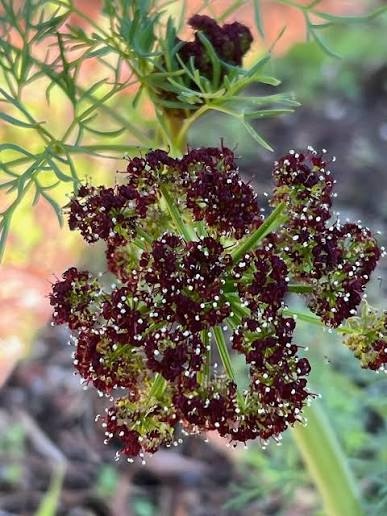
The leaves of Chocolate Tips are predominantly concentrated toward the base of the plant and exhibit an extraordinary degree of division, which gives them a delicate, almost fern-like appearance. This intricate leaf structure not only contributes to the plant's aesthetic appeal but also enhances its ability to photosynthesize efficiently in the varying light conditions of its natural habitat. This unique leaf morphology is the reason behind its common name Fernleaf Biscuitroot, which reflects both its appearance and its ecological niche.
The flowering stems of Chocolate Tips tend to be more sparsely leafed compared to the basal leaves and culminate in compound umbels, a characteristic feature of the carrot family. These flower clusters are not only visually striking but also play a vital role in attracting pollinators, which are essential for the plant's reproduction. The flowers themselves exhibit a fascinating range of colors, from yellow to reddish-purple or brownish-purple. In specific populations where the flower tips display a distinctly chocolate-brown coloration, the common name Chocolate Tips becomes particularly descriptive and evocative, capturing the essence of this remarkable plant.
The fruits of Chocolate Tips are elongated and possess a winged structure, resembling the small seeds found in other umbelliferous plants. These fruits are adapted for dispersal, allowing the plant to propagate effectively across its native range. Chocolate Tips generally thrives in a variety of habitats, including dry prairies, open slopes, rocky ground, talus, meadows, and semiarid western landscapes. Its distribution is quite extensive, spanning regions of British Columbia, Alberta, and Saskatchewan, and extending southward through much of the western United States. This wide range highlights its ecological versatility and resilience in various environmental conditions.
From an herbal perspective, the enormous root of Chocolate Tips is perhaps its most significant feature. This thick, resinous, and aromatic root is deeply anchored in the soil, providing not only stability but also a rich source of nutrients that can support the plant's growth and development. The morphology of the plant as a whole suggests a profound connection to themes of rootedness, penetration, and movement through the respiratory system, indicating its potential uses in traditional herbal medicine. The deep taproot and its aromatic qualities may contribute to its therapeutic properties, making Chocolate Tips a plant of interest for herbalists and botanists alike.
📜 History & Traditional Uses
Chocolate Tips boasts an extensive and rich history of use among Indigenous peoples of western North America, where it has been an integral part of their cultural and medicinal practices for centuries. This plant was deeply valued not only for its medicinal properties but also as a food source and culturally significant native plant that played a vital role in the sustenance and well-being of various Indigenous communities.
Different Indigenous nations developed their own unique methods of gathering, preparing, and using various Lomatium species, showcasing a rich tapestry of knowledge and practices that should not be oversimplified into a single generic “Native American” practice. Each community had its own traditions, reflecting their specific environmental conditions, cultural beliefs, and historical experiences. This diversity in practices underscores the importance of understanding the cultural context in which these plants were utilized.
Historical ethnobotanical records provide valuable insights into the various uses of Lomatium dissectum, which has been documented for treating a wide range of ailments, including:
Respiratory complaints, which were often addressed through various preparations that helped alleviate breathing difficulties.
Colds and influenza-like illnesses, for which the plant was utilized to boost the immune system and provide relief from symptoms.
Sore throat, where infusions or poultices were applied to soothe irritation and inflammation.
Internal and stomach disorders, with the roots being used to promote digestive health and alleviate discomfort.
Wounds and bruises, where the roots were prepared as poultices to aid in healing and reduce inflammation.
Rheumatism, a condition that was treated with the anti-inflammatory properties of the plant.
Arthritis, where traditional remedies were aimed at reducing joint pain and swelling.
Burns, which were treated with topical applications of the plant to promote healing.
Various inflammatory conditions, highlighting the plant's broad anti-inflammatory capabilities.
Root infusions and decoctions were traditionally used internally, providing a means to harness the plant's medicinal benefits. In addition, the root was often transformed into poultices or other external preparations, showcasing the versatility of the plant in addressing both internal and external health concerns. Some traditional practices included the medicinal use of smoke from burning roots, which was believed to be beneficial for respiratory complaints. This method of application illustrates the holistic approach that Indigenous peoples took toward health and wellness, integrating both physical and spiritual elements.
Moreover, root preparations were frequently employed in ceremonial contexts, emphasizing the cultural significance of Lomatium beyond mere medicinal use. The USDA Forest Service's ethnobotanical review records various respiratory uses among several Indigenous groups, including the inhalation of root smoke or herbal steam, as well as traditional applications for treating wounds, rheumatism, and sore throat.
In addition to its medicinal applications, young shoots of the plant were gathered as a spring food by several Indigenous peoples. Historical accounts detail how the Okanagan people would collect the tender shoots in the spring, incorporating them into their seasonal food traditions, which were rich in flavors and nutrients. This practice not only provided sustenance but also connected the community to the rhythms of nature and the changing seasons.
However, it is crucial to recognize that an important distinction must be made regarding the uses of Lomatium. Not every traditional use of every part of the plant was considered safe for food. Ethnobotanical records document that some Indigenous peoples regarded mature portions of the plant as poisonous, utilizing the roots for purposes such as fish poisoning or insect control. This highlights the necessity of caution and respect for traditional knowledge, as it often encompasses precise distinctions between plant part, season, preparation, and purpose.
Thus, Chocolate Tips is not simply an herb that can be treated casually as a culinary parsley substitute. Its rich history and traditional uses underscore the complexity and depth of Indigenous knowledge surrounding this plant, emphasizing the importance of understanding and respecting the cultural and medicinal significance it holds for various communities.
🩺 Medicinal Actions & Indications
1. 💨 Respiratory Expectorant
The traditional medicine of Chocolate Tips is particularly associated with the respiratory system, playing a crucial role in various therapeutic practices aimed at alleviating respiratory ailments. This remarkable plant has been utilized in various cultures for centuries, highlighting its significance in herbal medicine.
Root preparations derived from Chocolate Tips were historically employed for a variety of respiratory issues, including:
Cough: This herb is known for its ability to address both productive and dry coughs, making it a versatile remedy for different types of coughs that may arise from various underlying conditions.
Chest congestion: By aiding in the clearing of mucus from the airways, Chocolate Tips helps to relieve the sensation of tightness and pressure in the chest, which can often accompany respiratory infections.
Mucus accumulation: The expectorant properties of this herb facilitate the thinning and expulsion of mucus, which is vital for maintaining clear airways and ensuring proper respiratory function.
Sore throat: The soothing qualities of Chocolate Tips can provide relief from the discomfort associated with a sore throat, often caused by irritation or inflammation due to infections or allergies.
Colds: As a natural remedy for common colds, Chocolate Tips is often incorporated into herbal formulations to help alleviate symptoms such as nasal congestion, coughing, and general malaise.
Flu-like illnesses: The plant's ability to support the immune system and promote respiratory health makes it a valuable ally during flu season, helping to mitigate the severity and duration of symptoms.
Chronic respiratory complaints: For individuals suffering from long-term respiratory conditions, such as asthma or chronic bronchitis, Chocolate Tips can serve as a complementary treatment to help manage symptoms and improve overall lung function.
The plant's aromatic, bitter, and resinous character gives it a penetrating quality that is often experienced when consumed. This unique combination of properties not only contributes to its effectiveness as an expectorant but also enhances its appeal in traditional herbal preparations.
In traditional herbalism, a clear distinction is often made between herbs that merely soothe irritated tissue and those that actively move congestion. Chocolate Tips belongs strongly to the latter category, as it is recognized for its dynamic action in the respiratory tract.
It is traditionally understood as helping to loosen and mobilize accumulated respiratory material rather than simply suppressing the cough reflex. This is particularly important because suppressing a cough can sometimes lead to further complications, as it may prevent the body from effectively clearing out mucus and pathogens from the airways. Instead, Chocolate Tips encourages the body’s natural processes, promoting the expulsion of unwanted materials and supporting overall respiratory health.
Furthermore, the integration of Chocolate Tips into various herbal formulations can enhance its efficacy, as it often works synergistically with other herbs that possess complementary properties. For instance, combining it with other expectorants, anti-inflammatories, or immune-boosting herbs can create a powerful remedy that addresses multiple facets of respiratory health.
2. 🌬️ Respiratory Stimulant
Lomatium's historical use as an inhaled smoke or steam medicine is particularly revealing and underscores its significance in traditional healing practices. This plant, known for its distinctive properties, has been utilized by various Indigenous cultures across North America for centuries, showcasing a deep understanding of its medicinal benefits.
Several Indigenous traditions employed preparations of the root or plant in ways specifically intended to address a wide range of respiratory problems, including coughs, colds, and other ailments affecting the lungs. The methods of preparation often included creating infusions, decoctions, or even smoking the dried plant material. This diverse application indicates that Lomatium was not only a staple in their medicinal repertoire but was also considered a vital resource for maintaining respiratory health.
This extensive historical use suggests that the plant was traditionally regarded as having a direct affinity for the lungs and airways, acting as a natural remedy to clear obstructions and promote easier breathing. Indigenous healers recognized the plant's potential to alleviate symptoms associated with respiratory distress, leading to its integration into various healing rituals and practices aimed at restoring balance within the body.
From the standpoint of traditional energetics, Lomatium's warm, drying, aromatic qualities make it particularly suited to conditions characterized by:
Cold: Often associated with symptoms such as chills and a feeling of heaviness in the chest.
Dampness: This refers to excess moisture in the body, which can lead to congestion and phlegm buildup, making it difficult to breathe freely.
Mucus: The presence of thick mucus can obstruct the airways, resulting in coughing and difficulty in respiration.
Stagnation: This term describes a lack of movement within the respiratory system, which can contribute to a feeling of tightness and discomfort in the chest.
By addressing these specific conditions, Lomatium serves as a natural respiratory stimulant, promoting lung function and enhancing overall respiratory health. Its ability to warm and dry excess moisture allows for the clearing of mucus and the alleviation of congestion, making it a valuable ally in traditional medicine. Furthermore, the aromatic nature of Lomatium may also contribute to its effectiveness, as inhaling its volatile compounds can provide immediate relief and support to the respiratory system.
In summary, the historical and traditional use of Lomatium as a respiratory stimulant highlights its importance in Indigenous healing practices. Its unique properties and applications reveal a profound understanding of the plant's role in promoting respiratory wellness and addressing various ailments affecting the lungs and airways.
3. 🌿 Alterative
Chocolate Tips can also be understood within the broader North American tradition of alterative medicine, a holistic approach that emphasizes the gradual transformation of an individual's overall health rather than merely addressing specific symptoms in isolation. This philosophy is rooted in the belief that many health issues stem from deeper, underlying imbalances within the body, and that true healing involves correcting these foundational issues.
The concept of alteratives is particularly significant in the context of chronic health conditions, where symptoms may persist over extended periods and conventional treatments often fall short. Rather than simply masking symptoms with temporary relief, alterative remedies aim to support the body's natural processes, encouraging a more profound and lasting change in the individual's health status.
Historically, Chocolate Tips has been recognized for its efficacy in managing a variety of chronic conditions, including but not limited to:
Respiratory weakness: This includes issues such as chronic bronchitis and asthma, where the respiratory system's functionality is compromised. Chocolate Tips is believed to support lung health by promoting better respiratory function and reducing inflammation.
Rheumatic complaints: Conditions like arthritis and fibromyalgia fall under this category, where individuals experience joint pain and inflammation. The alterative properties of Chocolate Tips may help in alleviating these symptoms by enhancing circulation and reducing stiffness in the joints.
Inflammatory stagnation: This refers to conditions where inflammation is persistent and contributes to various health problems. Chocolate Tips is thought to assist in mobilizing stagnant energy and fluids in the body, thereby promoting a healthier inflammatory response.
Recurrent illness: Individuals who frequently fall ill may benefit from Chocolate Tips, as it is believed to bolster the immune system, helping to prevent the cycle of illness and recovery that can be so exhausting.
General constitutional depletion: This encompasses a state of fatigue and low vitality that can arise from chronic stress, poor nutrition, or other lifestyle factors. The restorative properties of Chocolate Tips may help replenish energy levels and enhance overall well-being.
The root of Chocolate Tips is particularly noteworthy in this context, as it is characterized by a concentrated, resinous composition that is rich in pharmacologically active compounds. This potency makes it a far more substantial medicine than one might assume based on the delicate appearance of its foliage. The root's active constituents are believed to work synergistically, providing a comprehensive approach to healing that aligns perfectly with the principles of alterative medicine. By harnessing the power of this remarkable plant, practitioners aim to facilitate a gradual yet profound transformation in health, ultimately leading to a more balanced and resilient constitution.
4. 🦠 Antimicrobial
Laboratory investigations have found antimicrobial activity in extracts of Lomatium dissectum. This plant, native to the western regions of North America, has been a subject of interest due to its traditional uses among Indigenous peoples, particularly for various respiratory ailments. The scientific community has begun to explore and validate these historical uses through rigorous research and experimentation.
In recent studies, researchers have identified specific bioactive constituents within Lomatium dissectum that exhibit significant activity against a range of microorganisms. Notably, these studies have shown effectiveness against certain pathogens, including organisms within the Mycobacterium genus. Earlier screening studies conducted in vitro revealed that extracts from this plant demonstrated antimicrobial properties against Mycobacterium tuberculosis, the bacterium responsible for tuberculosis, as well as M. avium, which is known to cause infections particularly in immunocompromised individuals. The ability of these extracts to inhibit the growth of such formidable pathogens is a promising area of research, highlighting the potential of natural products in combating infectious diseases.
This antimicrobial activity is scientifically interesting and noteworthy because it aligns with the historical use of Lomatium dissectum by Indigenous cultures, who utilized the plant for treating respiratory diseases. This correlation between traditional knowledge and modern scientific findings underscores the importance of ethnobotany and the potential for discovering new therapeutic agents derived from plants that have been used for centuries. The historical context provides a valuable framework for understanding how certain plants may have evolved to possess these beneficial properties, possibly as a defense mechanism against pathogens in their natural environment.
However, it is crucial to note that while laboratory findings suggest antimicrobial activity, this does not establish Lomatium dissectum as a definitive treatment for tuberculosis or other serious infections. The distinction between laboratory antimicrobial activity and clinical efficacy is significant and cannot be overlooked. Laboratory studies often involve controlled conditions that do not fully replicate the complexities of human biology and disease progression. Thus, while the initial findings are promising, further clinical research is necessary to determine the safety, dosage, and effectiveness of this plant in treating actual infections in humans.
Serious respiratory infections, such as tuberculosis, require appropriate medical diagnosis and treatment by healthcare professionals. It is essential for individuals to seek medical advice and not rely solely on herbal remedies, regardless of their historical significance or preliminary scientific findings. The integration of traditional knowledge with modern medicine can be beneficial, but it must be approached with caution and respect for established medical practices.
5. 🦠 Traditional Antiviral Medicine
Chocolate Tips has become particularly well known in modern herbal circles for its traditional and empirical use during viral respiratory illnesses. This herb, derived from the roots of specific plants, has been utilized by various cultures for centuries, often being incorporated into traditional medicine practices aimed at alleviating symptoms associated with respiratory infections. Its historical significance is rooted in the belief that it can bolster the body's natural defenses against viral pathogens.
Root extracts from Chocolate Tips have demonstrated antiviral activity in laboratory screening, showcasing their potential therapeutic properties. One early study found that an extract of Lomatium dissectum effectively inhibited cytopathic effects caused by rotavirus under controlled experimental conditions. This research was pivotal in highlighting the plant's capabilities, as it suggested that the active compounds within Chocolate Tips could interfere with the replication process of certain viruses, thereby mitigating their impact on human health.
This helped establish the plant's modern reputation as a broad respiratory and antiviral herb, attracting the attention of both herbalists and researchers alike. The herb's versatility is noteworthy, as it has been traditionally associated with supporting respiratory health and enhancing immune function, making it a popular choice for those seeking natural remedies during cold and flu seasons.
However, it is crucial to approach the use of Chocolate Tips with caution, as there is insufficient clinical evidence to establish that oral Chocolate Tips reliably treats influenza, COVID-19, or other viral diseases in humans. While the preliminary laboratory findings are promising, they do not necessarily translate to effective treatment in real-world scenarios where human physiology and disease progression can differ significantly from laboratory conditions.
The appropriate language is therefore:
traditional antiviral herb with preliminary laboratory evidence, rather than established antiviral medicine. This distinction is important for consumers and practitioners alike, as it underscores the need for further research and clinical trials to validate the efficacy and safety of Chocolate Tips in treating viral infections. Until more definitive evidence is available, it is advisable to consider this herb as a complementary approach within a broader strategy for managing viral illnesses, rather than a standalone solution.
6. 🌿 Immune-Modulating Tradition
Modern herbalists frequently describe Lomatium as an immune stimulant or immune modulator, highlighting its potential role in supporting the body's natural defenses. This classification stems from the plant's rich history of use in traditional medicine, where it has been employed by various Indigenous cultures for its purported health benefits, particularly in relation to respiratory health and overall immune function.
There is some laboratory research supporting biological effects on inflammatory signaling, indicating that Lomatium may influence pathways involved in immune responses. For instance, studies have shown that certain compounds within Lomatium can modulate the production of cytokines, which are crucial for cell signaling in the immune system, thereby suggesting a potential role in regulating inflammation. However, human clinical evidence remains limited, which means that while laboratory findings are promising, they do not yet translate into clear guidelines for use in clinical practice.
This distinction is important for both practitioners and patients alike. The immune system is not simply a mechanism that should always be “boosted.” It operates through a delicate balance that requires fine-tuning rather than outright stimulation. In some circumstances, excessive immune activation can itself contribute to disease, leading to conditions such as autoimmune disorders, where the body mistakenly attacks its own tissues. Therefore, understanding the specific role of Lomatium in immune modulation is essential to ensure that it is used appropriately and effectively.
Chocolate Tips is therefore better described as a plant with immunologically active constituents under investigation than as a universally appropriate immune stimulant. This perspective encourages a more nuanced view of herbal interventions, emphasizing the need for individualized approaches to health. As researchers continue to explore the pharmacological properties of Lomatium, it is crucial to consider the context of its use, including the specific health conditions being addressed, the patient's overall health status, and potential interactions with other treatments. Such an approach not only respects the complexity of the immune system but also aligns with the principles of holistic health, where the goal is to support the body’s natural processes rather than merely pushing them to an extreme.
7. 🦴 Rheumatic & Musculoskeletal Complaints
Traditional applications of Chocolate Tips extend beyond the respiratory system, revealing a rich history of usage in various therapeutic contexts. This multifaceted plant has been recognized not only for its respiratory benefits but also for its significant role in addressing a range of musculoskeletal issues.
The root was used both internally and externally for a variety of conditions, showcasing its versatility and effectiveness:
Rheumatism: This condition, characterized by chronic pain and inflammation in the joints and connective tissues, has been a focal point in traditional medicine. The application of Chocolate Tips root was believed to alleviate the discomfort associated with rheumatism, providing relief through its anti-inflammatory properties.
Arthritis: Similar to rheumatism, arthritis involves painful inflammation of the joints. Traditional healers often utilized poultices made from the root to help reduce swelling and pain, enabling individuals to regain mobility and improve their quality of life.
Bruises: The application of Chocolate Tips root was also common for treating bruises. The root’s natural properties were thought to accelerate healing by promoting circulation and reducing inflammation in the affected areas.
Painful tissues: Beyond specific conditions, the root was utilized for general pain relief in various tissues throughout the body. Whether it was muscle soreness or localized pain, the root preparations were applied to soothe and alleviate discomfort.
Inflammatory conditions: The root's anti-inflammatory effects made it a valuable remedy for a wide range of inflammatory conditions. Traditional practitioners recognized its potential to modulate inflammation, making it a staple in their medicinal arsenal.
Poultices made from the root were traditionally applied to painful or injured areas, serving as a direct and effective means of delivering the root's beneficial properties. The USDA ethnobotanical record documents various root preparations for wounds, bruises, arthritis, and rheumatism among several Indigenous traditions, highlighting the deep-rooted knowledge and practices surrounding this plant.
This fits the broader traditional characterization of Lomatium as a moving, stimulating, inflammation-modulating root. Its reputation in traditional healing systems underscores its importance not only as a remedy for respiratory ailments but also as a crucial component in the management of musculoskeletal complaints. The holistic approach to health in these traditions often emphasizes the interconnectedness of bodily systems, and the use of Chocolate Tips exemplifies this philosophy by addressing both respiratory and musculoskeletal health simultaneously. Through careful preparation and application, practitioners have harnessed the power of this remarkable root to support healing and well-being across generations.
8. 🩹 Vulnerary
The root of Chocolate Tips has a rich history of external use for various skin ailments, including wounds, cuts, bruises, burns, and sores. This plant has been recognized for its therapeutic properties, particularly in traditional medicine systems where natural remedies are employed to promote healing and alleviate pain. The application of Chocolate Tips root can be traced back through generations, showcasing its importance in folk healing practices across different cultures.
Traditional preparations of the Chocolate Tips root have taken various forms, each designed to maximize its healing potential. These preparations include:
Poultices: These are moist, soft masses made from the crushed root, often combined with other natural ingredients. Poultices are applied directly to the affected area, allowing the beneficial compounds to penetrate the skin and promote healing. They are particularly effective for larger wounds or areas with significant inflammation.
Powders: The dried root can be ground into a fine powder, which can be sprinkled on wounds or mixed with other substances to create an effective healing paste. This form is convenient for storage and can be easily transported, making it accessible for use in various situations.
Root oils: Extracting oils from the root can concentrate its active compounds, providing a potent treatment option. These oils can be used in massages or as part of a topical application, delivering moisture and promoting skin regeneration.
Grease-based preparations: Combining the root with a fatty base creates an ointment that can be applied to the skin. This method not only utilizes the healing properties of the root but also provides a protective barrier against external irritants, enhancing the healing process.
The root's resinous character is particularly interesting in this regard, as the resin plays a crucial role in its effectiveness as a vulnerary agent. Resinous plants, known for their sticky and viscous nature, often occupy a traditional niche involving protection, sealing, and preservation of tissue. The resin acts as a natural bandage, forming a protective layer over wounds that helps to prevent infection while simultaneously allowing the skin to breathe and heal. This unique property makes the Chocolate Tips root not only a valuable resource for treating injuries but also an essential component in the broader context of herbal medicine, where the balance of healing and protection is paramount.
9. 🌡️ Diaphoretic Tradition
Chocolate Tips has been utilized in traditional medicine particularly in the management of feverish conditions and acute respiratory states. This herbal remedy has a long history of use among various cultures, where it has been valued not only for its flavor but also for its potential therapeutic benefits. The application of Chocolate Tips in these contexts highlights the importance of natural remedies in addressing common ailments, especially before the advent of modern pharmaceuticals.
As with many warming aromatic roots found in herbal traditions, the primary objective of using Chocolate Tips was often to stimulate circulation and promote perspiration. This approach is rooted in the belief that encouraging the body to sweat can help to expel toxins and pathogens, thereby aiding in the recovery process. The warming properties of the herb are thought to enhance blood flow, which can be particularly beneficial during times of illness when the body is under stress and needs support to regain its normal function.
The traditional sequence associated with the use of diaphoretic herbs like Chocolate Tips can be summarized in a series of steps that reflect the holistic approach of herbal medicine:
Warm: The initial phase involves warming the body to create an environment conducive to healing. This can be achieved through the consumption of warm infusions or decoctions of the herb.
Loosen: Following the warming, the next step is to loosen any tightness in the body, which may be contributing to discomfort or illness. This can involve the relaxation of muscles and the easing of tension.
Circulate: With the body warmed and loosened, circulation is enhanced, allowing for improved blood flow and the delivery of vital nutrients to the areas that need it most.
Perspire: The encouragement of perspiration is crucial in this sequence. Sweating helps to cool the body down and can facilitate the elimination of toxins through the skin.
Release: Finally, the release phase signifies the culmination of the process, where the body can let go of the accumulated waste and toxins, leading to a sense of relief and rejuvenation.
This structured approach places Lomatium, a key component of the Chocolate Tips, within the broader family of traditional respiratory herbs that have been historically used during acute illness. By understanding these herbs' roles and mechanisms, practitioners of herbal medicine can better support individuals experiencing respiratory distress or fever.
However, it is essential to note that while herbal diaphoretics like Chocolate Tips can be effective in managing mild to moderate symptoms of fever and respiratory issues, a persistent or high fever should not be treated solely with these remedies. It is crucial to seek professional medical advice in such cases, as underlying conditions may require more comprehensive treatment. The integration of herbal medicine should complement conventional approaches rather than replace them, ensuring a holistic and balanced strategy for health and recovery.
🔬 Chemical Constituents
Chocolate Tips possesses an unusually interesting chemistry, which has garnered attention from researchers and botanists alike. The unique chemical profile of this plant contributes not only to its intriguing properties but also to its potential applications in various fields, including pharmacology and natural product chemistry.
Investigations have identified several classes of compounds that play a crucial role in the plant's biological activity and therapeutic potential, including:
Coumarins: These compounds are known for their diverse range of biological activities, including anticoagulant, anti-inflammatory, and antimicrobial properties. Their presence in Chocolate Tips suggests potential health benefits and therapeutic applications.
Furanocoumarins: Similar to coumarins, furanocoumarins are a subclass that exhibits significant pharmacological effects. They are often studied for their ability to interact with cytochrome P450 enzymes, which play a vital role in drug metabolism.
Pyranocoumarins: This group of compounds has garnered interest due to their various biological activities, including antioxidant and anti-cancer properties. Their structural uniqueness allows them to participate in a range of chemical reactions, making them valuable in medicinal chemistry.
Flavonoids: These are well-known for their antioxidant properties and their ability to combat oxidative stress in the body. Flavonoids also contribute to the color and flavor of many plants, enhancing their appeal and potential uses in food and beverage industries.
Tetronic acids: Particularly interesting are the tetronic acids, which have demonstrated notable antimicrobial and cytotoxic activity in laboratory research. Studies have shown that these compounds can inhibit the growth of various pathogens, making them a subject of interest for developing new antimicrobial agents. Furthermore, research has also indicated that these acids are responsible for the plant's toxicity toward fish, highlighting their ecological significance.
Resins and oleoresins: These sticky substances contribute to the plant's aromatic properties and may have protective functions against herbivores and pathogens. They can also be harnessed for their aromatic qualities in perfumery and flavoring.
Volatile compounds: The volatile nature of these compounds allows them to play a significant role in the plant's aroma and flavor profile. They are essential for attracting pollinators and can have various effects on human health when inhaled or ingested.
Fatty-acid-derived constituents: These compounds are crucial for the structural integrity of cell membranes and may also play roles in signaling pathways within the plant. Their presence can affect the overall health and resilience of the plant.
Chemical investigations of Lomatium dissectum have isolated flavonoids and several coumarin glycosides, further emphasizing the plant's complex chemistry and potential health benefits. The isolation of these compounds allows for a better understanding of their individual and synergistic effects on human health.
Particularly interesting are the tetronic acids, which have demonstrated antimicrobial and cytotoxic activity in laboratory research. Research has also shown that these compounds are responsible for the plant's toxicity toward fish, providing insight into the ecological interactions and potential risks associated with the consumption of this plant by aquatic life.
Modern chemical analysis also shows considerable variation in the essential-oil composition of Lomatium species and populations. In recent analysis, L. dissectum essential oils were characterized particularly by octyl acetate, decyl acetate, and decanol, rather than the terpene-dominated profiles found in some other Lomatium species. This distinct composition not only highlights the uniqueness of L. dissectum but also raises questions about the ecological and environmental factors that may influence the biosynthesis of these compounds.
This variability reinforces an important principle:
Lomatium is not chemically simple, and different species, varieties, plant parts, and growing conditions should not automatically be treated as interchangeable. Understanding these differences is crucial for researchers and practitioners who seek to utilize these plants for their medicinal properties, as the specific chemical constituents can greatly influence efficacy and safety in various applications.
⚗️ Preparations & Dosage
Chocolate Tips is one of the herbs in this series for which standardized self-treatment dosing deserves considerable caution. This caution arises from the variability in individual responses to herbal remedies, the differences in preparation methods, and the lack of extensive clinical research to establish universally accepted dosages. As with any herbal treatment, it is crucial to approach the use of Chocolate Tips with a well-informed perspective, ideally under the guidance of a qualified herbalist or healthcare professional.
Traditional preparations of Chocolate Tips have been utilized in various cultures, and understanding these methods provides insight into their historical significance and application:
🌿 Root Decoction
The dried or fresh root has historically been prepared as a decoction for respiratory and constitutional purposes. This method involves boiling the root in water to extract its beneficial compounds, resulting in a concentrated liquid that can be consumed. The decoction is believed to harness the root's properties effectively, making it a favored choice among traditional herbalists.
However, it is important to note that historical traditions surrounding the preparation of Chocolate Tips differ considerably in strength and preparation techniques. Some cultures may use a longer boiling time or higher quantities of the root, leading to variations in potency. Consequently, there is no universally accepted modern therapeutic dose for treating infections or other serious diseases, which underscores the necessity for caution and individualized assessment when considering this preparation.
🍷 Root Tincture
In contemporary herbal practice, a tincture or liquid extract of the root is commonly employed. This method involves soaking the root in alcohol or another solvent to extract its active constituents, resulting in a potent liquid form that is easy to administer. However, commercial products vary substantially in concentration and extraction method, which can lead to significant differences in efficacy and safety profiles.
For this reason, it is imperative to follow the preparation's labeling and the guidance of a qualified practitioner. Relying solely on historical recipes to determine a generalized dosage can be misleading and potentially harmful. A professional can provide tailored advice based on the specific product being used, the individual's health status, and the intended therapeutic outcome.
🌿 Poultice
The root may historically be prepared externally as a poultice for wounds, bruises, and painful tissues. This involves crushing the root and applying it directly to the affected area, often combined with other soothing agents to enhance its effectiveness. Poultices are traditionally believed to draw out impurities and promote healing, making them a valuable tool in folk medicine. However, the application of poultices should be approached with care, as the strength and effects can vary based on the preparation and individual skin sensitivities.
🌫️ Smoke or Steam
Certain Indigenous traditions utilized root smoke or herbal steam for addressing respiratory complaints. This practice involved inhaling the smoke produced from burning the root or using steam infused with its essence to relieve congestion and other respiratory issues. While this is an important historical practice, it is crucial to acknowledge that deliberately inhaling smoke carries obvious respiratory risks, including irritation and potential long-term lung damage. Therefore, this method should not be interpreted as a recommendation for modern self-treatment without thorough consideration of the associated risks and alternative therapeutic options.
⚠️ Contraindications & Safety
This section is particularly important for Chocolate Tips, as understanding the contraindications and safety concerns associated with this herb is crucial for ensuring its safe use. Awareness of potential adverse effects, interactions with medications, and specific population considerations can help prevent complications and promote health.
It is essential for users to be well-informed about the potential risks and to consult healthcare professionals before incorporating Chocolate Tips into their health regimen.
🚨 Lomatium Rash
One of the best-documented adverse effects of Lomatium dissectum is a distinctive, sometimes severe whole-body skin eruption that can cause significant discomfort and concern for those affected. This rash is not only a cosmetic issue but may also indicate a serious allergic reaction or sensitivity to the herb.
The reaction may consist of:
Intense itching: Many individuals report a severe itching sensation that can be quite distressing and lead to scratching, which may worsen the condition.
Widespread redness: The skin may appear inflamed and red, indicating irritation and an immune response to the herb.
Maculopapular rash: This type of rash features small raised bumps that can merge to form larger areas of irritation, often covering significant portions of the body.
Burning or irritation: In addition to itching, individuals may experience a burning sensation that adds to the discomfort and may require topical treatments for relief.
Extensive skin involvement: In severe cases, the rash can cover large areas of the body, leading to secondary infections or complications if not properly managed.
A published case report described a severe generalized pruritic rash following only two days of oral Lomatium extract. The symptoms resolved after discontinuation of the herb, highlighting the importance of monitoring for adverse effects closely. The reaction has become sufficiently recognized among herbal practitioners that it is commonly called “Lomatium rash.”
Anyone who develops a significant rash after taking Lomatium should stop the preparation and seek appropriate medical advice, particularly if the rash is widespread, severe, associated with swelling, blistering, fever, difficulty breathing, or other systemic symptoms. Prompt medical intervention can help mitigate any serious consequences.
☀️ Photosensitivity
Because Lomatium contains coumarin-related compounds, caution regarding sunlight exposure is appropriate for individuals using this herb. Photosensitivity can lead to adverse skin reactions when exposed to sunlight, making it vital for users to take precautions.
Certain furanocoumarins are photoreactive, meaning they can increase sensitivity to ultraviolet light. This increased sensitivity can result in sunburn or rash even with minimal sun exposure, potentially leading to discomfort and additional skin issues.
The exact phototoxic profile varies with species, plant part, preparation, and constituent concentration, making it essential for users to understand the specific form of Lomatium they are using and its potential interactions with sunlight. To mitigate the risk of photosensitivity, individuals should consider wearing protective clothing, applying broad-spectrum sunscreen, and avoiding direct sunlight during peak hours while using Lomatium preparations.
⚠️ Toxicity
Some constituents of Lomatium dissectum are biologically potent and can pose risks if not used appropriately. Historical ethnobotanical sources document the use of the root as a fish poison, and laboratory research has traced this ichthyotoxicity to tetronic-acid constituents found within the plant. This historical context underscores the need for caution when using this herb medicinally.
This does not mean that properly prepared traditional medicinal doses are equivalent to fish-poison preparations; however, it does indicate that Chocolate Tips should not be treated as an innocuous culinary herb. Users must be aware that the same compounds that can be toxic to fish may also have potent effects on human physiology, warranting careful consideration and respect for the herb's power.
🤰 Pregnancy & Breastfeeding
Safety during pregnancy and breastfeeding has not been adequately established, which raises concerns for expectant and nursing mothers. Given the potential for adverse effects and the lack of comprehensive studies, medicinal internal use should therefore be avoided unless specifically recommended by a qualified healthcare professional who is familiar with the herb and its effects on both the mother and the child.
It is critical for pregnant or breastfeeding individuals to prioritize their health and the health of their child by seeking guidance from healthcare providers before considering the use of Chocolate Tips or any herbal supplements.
👶 Children
Because of the plant's pharmacological activity and limited clinical safety data, medicinal internal use in children should not be undertaken without professional supervision. The unique physiological characteristics of children can make them more susceptible to adverse effects, and their developing systems may react differently compared to adults.
Parents and guardians should consult healthcare professionals before administering any herbal products to children, ensuring that any potential risks are adequately assessed and managed to protect the child's health and well-being.
💊 Medication Interactions
Because Lomatium contains coumarin-related constituents and biologically active compounds, caution is appropriate with medications affecting:
Blood clotting: Coumarin compounds can influence coagulation pathways, potentially enhancing the effects of anticoagulant medications and increasing the risk of bleeding.
Immune function: Given Lomatium's immunomodulatory properties, it may interact with immunosuppressive drugs, altering their effectiveness and leading to unintended consequences for individuals with compromised immune systems.
Liver metabolism: The herb may affect liver enzymes responsible for metabolizing certain medications, which can lead to altered drug levels in the body and impact therapeutic outcomes.
Photosensitivity: Individuals taking medications that increase photosensitivity should be particularly cautious when using Lomatium due to the potential for compounded effects.
People taking prescription medication should consult a qualified healthcare professional before medicinal use. This step is crucial to avoid adverse interactions and to ensure safe and effective use of Lomatium alongside other treatments.
🐍 Apiaceae Allergies
Chocolate Tips belongs to the carrot family, which includes a variety of plants that can trigger allergic reactions in sensitive individuals. Those with significant allergies to Apiaceae plants should exercise caution when considering the use of Lomatium, as cross-reactivity may occur.
Symptoms of an allergic reaction can range from mild to severe and may include skin rashes, respiratory difficulties, gastrointestinal distress, or even anaphylaxis in extreme cases. Therefore, it is advisable for individuals with known allergies to this family of plants to avoid Chocolate Tips altogether or to consult with an allergist or healthcare provider before use to assess the risks and determine the best course of action.
🌿 Synergistic Pairings
Chocolate Tips has traditionally been combined with other herbs according to the specific condition being addressed. This practice of synergistic pairing allows for the enhancement of therapeutic effects, as each herb contributes its unique properties to create a more balanced and effective formulation. Understanding the characteristics and benefits of each herb can lead to more informed choices in herbal medicine, particularly when addressing complex health issues.
🌿 Echinacea
Echinacea, a well-known herb, and Chocolate Tips are both North American plants with long histories in traditional approaches to acute illness and constitutional defense. Echinacea is primarily recognized for its immune-boosting properties, making it a staple in herbal remedies aimed at preventing or alleviating colds and infections. It provides a somewhat broader lymphatic and immune-oriented character, enhancing the body's natural defenses. Meanwhile, Lomatium, while also supportive of the immune system, brings a more strongly respiratory and resinous quality to the table. This unique combination makes them particularly effective during the cold and flu season, as they work in tandem to support both immune function and respiratory health.
🌿 Osha
Osha (Ligusticum porteri) is another Rocky Mountain respiratory root traditionally used for cough, cold, and respiratory congestion. This herb has a long-standing reputation among herbalists for its ability to ease respiratory discomfort and enhance lung function. The two herbs, Chocolate Tips and Osha, share a warm, aromatic, penetrating quality that can help to open the airways and promote easier breathing. However, it is essential to note that because both are pharmacologically active roots, their combination should be approached conservatively. Careful dosing and consideration of individual health conditions are crucial to ensure safety and effectiveness when using these powerful herbs together.
🌿 Elder Flower
Elder flower complements Lomatium's warming respiratory action with a traditional diaphoretic and upper-respiratory quality. This herb is often used to promote sweating, which can help to reduce fever and expel toxins from the body. The combination of Elder flower with Lomatium enhances the overall effectiveness of respiratory formulations, as Elder flower can help to soothe irritated mucous membranes while promoting the elimination of excess mucus. Together, they create a synergistic effect that not only supports respiratory health but also aids in the body's natural detoxification processes.
🌿 Mullein
Mullein is known for its gentle, soothing demulcent quality that can balance Lomatium's stronger stimulating and drying character. This herb is often employed in herbal remedies for its ability to calm irritated tissues in the respiratory tract, making it an excellent companion to Lomatium. The combination of these two herbs can provide a comprehensive approach to respiratory health, as Mullein helps to alleviate irritation and inflammation while Lomatium works to stimulate respiratory function. This balance is particularly beneficial for individuals experiencing chronic cough or bronchial irritation, as it allows for relief without excessive drying.
🌿 Elecampane
Elecampane is another classic respiratory root, traditionally associated with thick mucus, cough, and pulmonary stagnation. Known for its expectorant properties, Elecampane can help to break up and expel mucus from the lungs, making it a valuable addition to respiratory formulations. When paired with Lomatium, Elecampane enhances the overall effectiveness of the blend by targeting mucus buildup and promoting clearer airways. This duo can be particularly beneficial for individuals suffering from bronchitis or other respiratory conditions characterized by excessive mucus production, as they work together to support lung health and function.
🌿 Licorice
Licorice can provide a moistening and harmonizing quality in respiratory formulas where a strong aromatic root might otherwise become too drying. This herb is known for its ability to soothe the throat and respiratory tract, making it an excellent complement to the more potent herbs in the formulation. By adding Licorice to the mix, the overall formula becomes more balanced, preventing any potential irritation that may arise from the stimulating effects of other herbs like Lomatium or Elecampane. This harmonious combination not only enhances the palatability of the herbal preparation but also ensures a more comfortable experience for individuals seeking relief from respiratory discomfort.
🔮 Spiritual & Esoteric Lore
Chocolate Tips possesses an unusually powerful Doctrine of Signatures, which is a fascinating concept that suggests a plant’s physical characteristics can indicate its medicinal properties and spiritual significance. This doctrine allows us to understand how nature communicates its healing abilities through its morphology. In the case of Lomatium dissectum, this plant stands out remarkably, as it seems to announce its nature through almost every part of its morphology, making it a clear and vibrant example of this principle.
Unlike many other plants whose medicinal properties are subtle and often difficult to interpret symbolically, Lomatium dissectum presents its qualities in a way that is almost bold and unambiguous. It is a deep-rooted desert and mountain medicine, thriving in environments that are often harsh and unforgiving. This resilience is a testament to its strength, both physically and energetically.
The foliage of this plant is extraordinarily divided, resembling a finely crafted lacework that captures the eye and the imagination. Each leaf seems to tell a story of adaptability and survival, reflecting the plant's ability to thrive in challenging conditions. Its root is thick, resinous, and penetrating, indicating a profound connection to the earth and a capability to draw upon deep, hidden resources. This thick root serves as a lifeline, allowing the plant to access moisture and nutrients that are often buried beneath the surface.
The flowers of Lomatium dissectum may appear dark, reddish, or chocolate-colored, a unique palette that not only gives the plant its common name but also carries symbolic weight. These colors are often associated with the earth and depth, suggesting that the plant’s medicinal effects reach deeply into the respiratory system, providing support and healing when needed most. The plant's signature is therefore one of:
Rootedness → penetration → movement → release.
This signature encapsulates the essence of what Lomatium dissectum offers: a grounding presence that penetrates through obstacles, facilitating movement and ultimately leading to a release of what no longer serves us.
🌬️ Energetic Themes
Chocolate Tips can be contemplated through the themes of:
Breath
Rootedness
Protection
Penetration
Clearing
Resilience
Respiratory strength
Releasing stagnation
Transformation
Adaptation to harsh conditions
Its primary spiritual teaching is:
Breathe deeply into the difficult places and move what has become stagnant. This profound message encourages individuals to confront their inner challenges and to embrace the process of transformation by allowing breath to flow freely through even the most constrained areas of their lives.
🌱 Doctrine of Signatures
🌳 The Great Taproot
The enormous root of Lomatium dissectum is the strongest signature of the plant's essence. This remarkable root sends a substantial structure downward into dry and often challenging soil, which suggests qualities of depth, grounding, persistence, and access to hidden resources. It is this deep anchoring that allows the plant to thrive where many others cannot, symbolizing a steadfastness that is essential for survival in adversity.
Medicinally, the root is also the principal traditional medicine, revered for its potent properties that support the body during times of illness. It is a source of strength, embodying the idea that:
The deeper the root, the greater the capacity to withstand adversity. This principle resonates not only in the plant world but also within our own lives, reminding us of the importance of establishing deep roots in our personal and spiritual journeys.
🌬️ Fernlike Leaves
The finely divided leaves of Chocolate Tips resemble an elaborate network of airways or branches, making them particularly evocative of the respiratory tree. The leaves spread outward into countless small divisions, mirroring the intricate branching of the bronchial tree that extends throughout the lungs. This visual connection serves as a classic Doctrine of Signatures image for a respiratory herb, reinforcing its role in supporting respiratory health and vitality.
As we observe the leaves, we can appreciate how they embody the essence of breath itself, inviting us to explore the connection between nature and our own respiratory systems.
🟤 Chocolate-Colored Flowers
The dark brownish-purple flower tips provide the plant with its common name, Chocolate Tips. The colors brown and deep purple are traditionally associated with:
Earth
Depth
Hidden processes
The underworld
Transformation
Root medicine
These associations reveal that the flowers seem to announce that the plant works through depth rather than superficiality. They invite us to delve deeper into our own lives, encouraging transformation that comes from understanding and integrating the hidden aspects of our experiences.
🌿 Resinous Root
The root contains a conspicuous aromatic and resinous character, which plays a significant role in its medicinal and spiritual properties. Resins traditionally symbolize:
Preservation
Protection
Binding
Sealing
Concentration
Purification
A resin is something that protects the plant by concentrating its chemistry into a dense, sticky substance. This characteristic makes the root an archetype of concentrated protection, embodying the essence of resilience and strength that can be drawn upon in times of need. The resin acts as a barrier against external threats, mirroring the way we might seek to protect ourselves emotionally and spiritually.
🔮 Magical Associations
Element: Earth & Air
Planetary Associations: Mars and Saturn
Secondary Association: Mercury
Themes: Protection, breath, endurance, purification, resilience, clearing, courage
Chocolate Tips may symbolically be associated with:
Protection during illness
Strengthening one's center
Clearing stagnant influences
Breath and vitality
Grounding during periods of instability
Transformation through adversity
Protection of the respiratory system
Releasing what has become lodged or stagnant
Saturn
Saturn appears through the deep root, harsh habitat, endurance, boundaries, and concentrated medicine. This planetary energy embodies the qualities of responsibility and discipline, reminding us that growth often comes through challenges and limitations.
Mars
Mars appears through the plant's penetrating, stimulating, protective qualities. This influence encourages action and assertiveness, highlighting the importance of taking charge of our health and well-being.
Mercury
Mercury enters through the plant's intimate relationship with breath and movement. This connection to communication and fluidity emphasizes the importance of being adaptable and responsive to our surroundings.
Thus the plant combines:
Saturnian rootedness + Martian penetration + Mercurial movement. This unique blend of energies offers a powerful framework for understanding how Chocolate Tips can support us in navigating the complexities of life, reminding us of the importance of grounding, action, and adaptability in our personal journeys.
🌬️ The Medicine of Breath
The most profound traditional theme of Chocolate Tips is its relationship with breath.
The lungs represent an extraordinary meeting point.
The outside world enters the body through respiration.
The inside world leaves the body through respiration.
Every breath therefore represents a threshold:
Outside → Inside.
Inside → Outside.
The respiratory system is simultaneously a boundary and a bridge.
Chocolate Tips, with its deeply rooted medicine and finely divided foliage, becomes a powerful symbolic image of this relationship.
Its root reaches down.
Its leaves reach outward.
Its medicine has traditionally been directed toward the respiratory passages between them.
🜂 Rooted in the Earth, Open to the Sky
There is a beautiful polarity within the plant.
Its root is heavy, substantial, and deeply grounded.
Its leaves are delicate, finely divided, and expansive.
One reaches down.
The other reaches out and upward.
This is an archetypal pattern found throughout internal cultivation traditions:
Root below.
Open above.
The plant demonstrates that resilience does not require rigidity.
The root is strong because it is deep.
The foliage is expansive because it is connected to that root.
This gives Chocolate Tips a particularly useful symbolic association with rooted breath.
🌾 Medicine of the Harsh Landscape
Chocolate Tips thrives in landscapes where water may be limited and conditions can be demanding.
It does not require a soft environment.
It develops a substantial underground reserve and waits for the appropriate season to emerge.
This provides another important lesson.
Some forms of strength are not visible.
The greatest part of the plant is hidden beneath the soil.
The same is true of human cultivation.
What appears externally as resilience may depend upon years of invisible development:
Root before branch.
Foundation before expression.
Depth before expansion.
Chocolate Tips therefore becomes an archetype of hidden preparation.
🜁 The Alchemy of Stagnation
Respiratory congestion provides an especially useful metaphor.
Something has entered the body but has not moved properly.
Mucus accumulates.
Breathing becomes restricted.
The traditional medicine of Chocolate Tips seeks to move what has become lodged.
This principle extends beyond the physical lungs.
Thoughts can stagnate.
Emotions can stagnate.
Habits can stagnate.
Energy can stagnate.
The remedy is not always to destroy what has accumulated.
Sometimes the remedy is to restore movement.
This is one of the central principles shared by herbalism, qigong, and internal cultivation:
Where movement is restored, stagnation can begin to resolve.
🜃 Chocolate Tips as a Medicine of Resilience
The plant's deepest lesson may ultimately be resilience.
It roots deeply in difficult terrain.
It stores concentrated medicine underground.
It emerges seasonally.
It spreads delicate leaves into the open air.
And it has been valued for generations by peoples who learned its medicine through intimate relationship with the landscape.
This is not the medicine of convenience.
It is the medicine of adaptation.
It teaches:
Root deeply.
Know your environment.
Conserve your strength.
Open when the season is right.
Move what has become stagnant.
And do not confuse gentleness with weakness.
✅ Final Thoughts
Chocolate Tips, Lomatium dissectum, is one of the most distinctive medicinal plants of the western North American landscape.
Its traditional medicine centers around:
The respiratory system
Cough and congestion
Cold and flu traditions
Sore throat
Constitutional support
Rheumatic complaints
Wounds and bruises
Traditional antimicrobial applications
Deep-rooted resilience
Its chemistry is equally distinctive, containing coumarins, furanocoumarin-related compounds, flavonoids, tetronic acids, resins, and volatile constituents. Modern research has identified antimicrobial activity in laboratory settings, providing intriguing points of correspondence with some traditional uses.
Yet this is also a plant that demands respect.
The documented Lomatium rash, its photoreactive constituents, its potent chemistry, and historical evidence of fish toxicity all demonstrate that Chocolate Tips is not an herb for casual experimentation.
Its traditional medicine and its safety profile must be considered together.
Spiritually, however, Chocolate Tips offers an extraordinary image.
Its enormous root anchors it in the earth.
Its finely divided leaves open it to the air.
Its dark flowers emerge from the meeting of those two realms.
It is therefore a medicine of the great polarity:
Earth below.
Air above.
Root below.
Breath above.
And between them stands the living plant.
Chocolate Tips is thus the medicine of rooted breath, resilience, penetration, clearing, and the restoration of movement where stagnation has taken hold.


Comments