


🌿 Plant Profile - Birch (Betula spp.)
- Josh Goheen

- Dec 22, 2025
- 18 min read
🌿 Birch
Botanical Name: Betula pendula, Betula pubescens, Betula lenta (medicinal species vary by region)
Family: Betulaceae
Common Names: Birch, Silver Birch, White Birch, Sweet Birch, Black Birch
Parts Used: Leaves, bark, buds, sap
Energetics: Cooling to neutral, drying, light
Tissue States: Dampness, stagnation, metabolic waste, skin congestion
Primary Actions: Diuretic, alterative, anti-inflammatory, mild analgesic, vulnerary, astringent (bark), diaphoretic
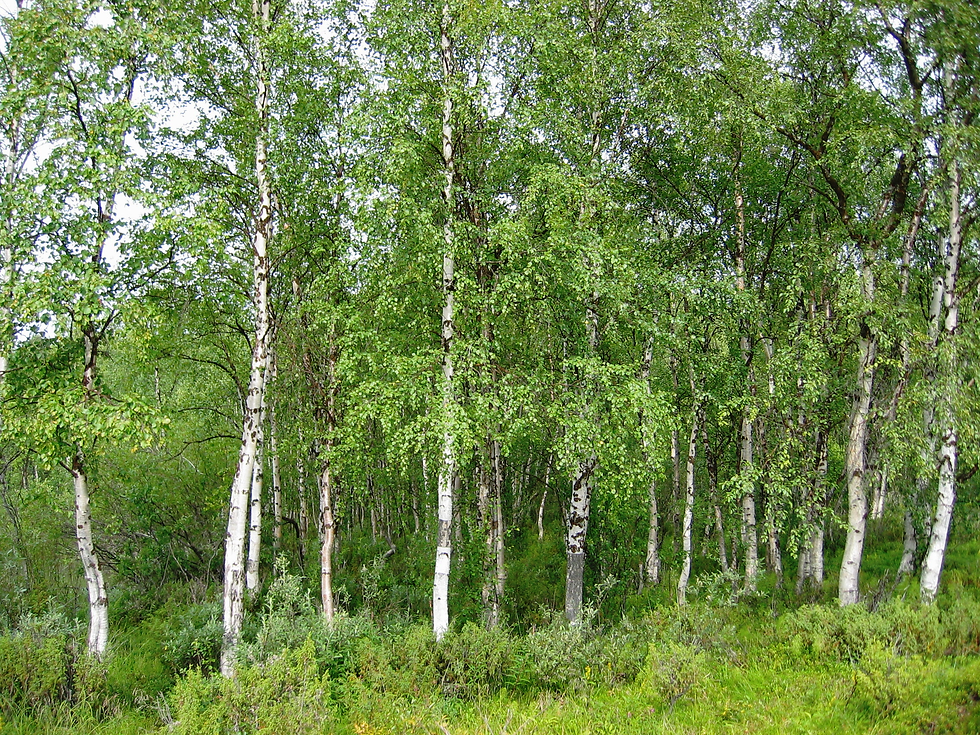
🌱 Botanical Description of Birch
Birch trees are fast-growing deciduous trees belonging to the genus Betula, which encompasses a variety of species that are native to several regions around the world, including:
Europe
Asia
North America
These trees are particularly noteworthy as they are among the first trees to colonize disturbed land, making them vital for ecological restoration and symbolizing renewal and resilience in nature. Their ability to thrive in challenging environments allows them to play a crucial role in the recovery of ecosystems that have been damaged by human activities or natural disasters.
Identifying features:
One of the most striking characteristics of birch trees is their distinctive bark, which can be white, silver, or dark and often peels away in thin, papery layers. This unique bark not only adds to the aesthetic appeal of the tree but also serves a protective function, helping to shield the tree from pests and diseases.
The branches of birch trees are typically slender and graceful, with many species exhibiting drooping twigs that create an elegant, weeping appearance. This feature enhances their ornamental value in landscaping and garden design.
The leaves of birch trees are easily recognizable due to their triangular shape and serrated edges. These leaves are bright green during the growing season, turning a vibrant yellow in the fall, which adds to the seasonal beauty of these trees.
In spring, birch trees produce catkins, which are cylindrical flower clusters that hang from the branches. These catkins are often among the first signs of spring and provide an important source of pollen for early pollinators, contributing to the biodiversity of their habitats.
Birch trees are particularly well-suited to thrive in:
Cool climates, where they flourish in the temperate zones, often found in areas with cold winters and moderate summers.
Poor or disturbed soils, demonstrating their remarkable adaptability; they can grow in sandy, rocky, or nutrient-deficient soils, which many other tree species find inhospitable.
Open sunlight, as birch trees prefer full sun exposure, which allows them to grow rapidly and develop their characteristic height and form. This preference for light makes them excellent candidates for reforestation projects and landscape restorations.
Birch trees are not only aesthetically pleasing but also ecologically significant. Their rapid growth, ability to thrive in adverse conditions, and role in supporting wildlife make them a vital component of many forest ecosystems. Their presence is often indicative of a healthy, recovering environment, and they continue to be cherished for their beauty and resilience across various landscapes.
📜 Etymology & Names
“Betula” is the scientific genus name for birch trees and is believed to have its roots in the Celtic word betu, which translates to “pitch” or “resin.” This connection highlights the historical significance of birch in various cultures, particularly in Celtic traditions, where the tree was often valued for its utility and the natural resources it provided. The resin from birch trees has been used for various purposes, including medicinal applications and crafting materials, further emphasizing the importance of this genus in ancient societies.
The term “birch” finds its origins in Old English beorc, which carries the meaning of “bright” or “shining.” This etymology reflects not only the physical characteristics of the birch tree, with its striking white bark that stands out in various landscapes, but also its symbolic associations with clarity and renewal. The brightness of birch trees often evokes feelings of optimism and hope, reinforcing their significance in folklore and mythology as symbols of new beginnings and resilience.
Throughout Europe, birch trees have been deeply intertwined with cultural symbolism, often representing light, purity, and the concept of new beginnings. In many traditions, birch is seen as a harbinger of spring, symbolizing the renewal of life after the harshness of winter. The tree's ability to thrive in diverse environments has led to its association with adaptability and resilience. Additionally, birch wood has been used in various crafts and rituals, further embedding the tree's significance in the cultural fabric of European societies. Its presence in folklore often highlights themes of transformation and the cyclical nature of life, making the birch a revered figure in many cultural narratives.
🧿 Historical & Traditional Uses
European Folk Medicine
Birch has long been revered in European folk medicine for its numerous therapeutic properties and its role in promoting overall health and wellness. The use of birch in traditional remedies dates back centuries, reflecting the deep connection between nature and healing practices in various cultures.
Spring cleansing cures: One of the most notable uses of birch is during the spring season, when it is believed to aid in cleansing the body of toxins accumulated during the winter months. Birch leaves and sap are often brewed into infusions or teas that are thought to facilitate detoxification, promote digestion, and invigorate the body.
Rheumatism and gout: Birch has been traditionally employed to alleviate symptoms associated with rheumatism and gout. The anti-inflammatory properties found in birch leaves and bark are thought to help reduce swelling and pain in affected joints, providing relief to those suffering from these chronic conditions.
Skin eruptions: The astringent and soothing qualities of birch make it a popular choice for treating various skin eruptions, including rashes and irritations. Infusions made from birch leaves are often applied topically to calm inflamed skin and promote healing.
Urinary tract support: Birch has also been recognized for its diuretic properties, making it beneficial for urinary tract health. It is commonly used in herbal remedies aimed at flushing out toxins, supporting kidney function, and alleviating symptoms of urinary tract infections.
Fever and colds: In folk medicine, birch has been utilized as a remedy for fevers and colds. The sap, rich in nutrients, is consumed as a tonic to boost the immune system, while birch leaf teas are often sipped to promote sweating, which can help reduce fever.
Birch sap, specifically, was traditionally harvested in early spring when the sap begins to flow, serving as a refreshing tonic that not only quenches thirst but also provides essential vitamins and minerals. This practice of tapping birch trees has been passed down through generations, showcasing the tree's significance in promoting health and vitality.
Indigenous North American Use
For Indigenous peoples of North America, birch trees have held immense cultural and practical significance, with various uses that extend far beyond mere medicinal applications. The versatility of birch has made it an integral part of their daily lives and healing practices.
Medicinal teas: Native communities often prepared medicinal teas from birch leaves and bark, utilizing their anti-inflammatory and antiseptic properties to treat a range of ailments. These teas were consumed to address various health issues, including respiratory problems and digestive disorders.
Wound care: The inner bark of birch was commonly used as a dressing for wounds due to its natural antibacterial properties. Indigenous healers would apply crushed bark or poultices made from birch to cuts and abrasions to promote healing and prevent infection.
Skin ailments: Birch's soothing properties made it a popular choice for treating skin ailments. Infusions or topical applications of birch were employed to alleviate conditions such as eczema, psoriasis, and other irritations, providing relief and promoting skin health.
Analgesic preparations: The analgesic qualities of birch were harnessed in various preparations to relieve pain. This included using birch sap or extracts in traditional remedies aimed at reducing headaches, muscle aches, and other discomforts.
Moreover, birch bark held great cultural importance beyond its medicinal uses. It was utilized extensively for crafting shelters, creating tools, and even as a medium for writing. The flexibility and durability of birch bark made it an ideal material for constructing canoes, baskets, and other essential items, reflecting the resourcefulness of Indigenous peoples in their relationship with the land.
Russian & Scandinavian Traditions
In Russian and Scandinavian cultures, birch trees are deeply embedded in traditional practices, particularly in relation to health and wellness. The unique properties of birch have been celebrated for generations, leading to various customs and rituals surrounding its use.
Birch branches used in bathhouses (banya): In the traditional Russian bathhouse, known as banya, birch branches are often used to create a fragrant and invigorating atmosphere. The branches are gently whipped against the skin, stimulating circulation and promoting relaxation. This practice is believed to enhance the detoxification process and improve overall well-being, making it a cherished ritual in many households.
Birch tar: Birch tar, a substance derived from the dry distillation of birch bark, has been utilized for its antiseptic and preservative properties. Historically, it was applied to wounds to prevent infection and promote healing. Additionally, birch tar has been used in the preservation of wooden items, showcasing its versatility and importance in traditional crafts.
These practices illustrate the profound respect and appreciation for birch trees in these cultures, where they are seen not only as a resource but also as a symbol of health, vitality, and connection to nature. The historical and traditional uses of birch continue to influence modern herbal practices and cultural rituals, highlighting the enduring legacy of this remarkable tree.
🩺 Medicinal Actions & Indications
⭐ 1. Diuretic & Renal Support
Birch leaves possess a gentle diuretic property that promotes an increase in urine flow, which is beneficial for a variety of health concerns. This natural diuretic action aids in:
Fluid retention: Birch leaves help alleviate the discomfort associated with fluid retention by promoting the excretion of excess fluid from the body. This can be particularly beneficial for individuals who experience swelling in their extremities or have conditions that lead to the accumulation of fluid.
Urinary tract flushing: The increased urine flow facilitated by birch leaves assists in flushing out toxins and bacteria from the urinary tract. This cleansing effect is vital for maintaining urinary health and preventing infections, making birch a valuable ally for those prone to urinary tract infections.
Kidney and bladder health: By supporting the kidneys and bladder in their natural functions, birch leaves contribute to overall urinary system health. The nutrients and compounds found in birch leaves may help to maintain the integrity of these organs, ensuring they function optimally.
Unlike harsher synthetic diuretics that can lead to irritation and discomfort, birch is noted for being non-irritating, making it a gentler option for those seeking relief from fluid-related issues.
⭐ 2. Alterative & Detoxifying
Birch leaves have a long-standing reputation in traditional medicine for their role in “spring cleansing,” a practice aimed at detoxifying the body after winter. This natural remedy aids in:
Clear metabolic waste: Birch facilitates the elimination of metabolic byproducts that can accumulate in the body, helping to rejuvenate and revitalize bodily systems. This detoxifying effect can enhance overall health and vitality.
Reduce uric acid: By promoting the excretion of uric acid, birch leaves can play a significant role in managing conditions associated with high uric acid levels, such as gout. This is particularly important for individuals who suffer from painful flare-ups due to uric acid crystallization in the joints.
Support elimination via kidneys and skin: Birch aids in the body's natural detoxification processes, not only through the kidneys but also via the skin. This multifaceted approach to elimination helps to ensure that toxins are expelled efficiently, contributing to clearer skin and improved overall health.
Birch is particularly helpful for individuals dealing with:
Gout: The ability of birch to reduce uric acid levels makes it a valuable herbal remedy for those suffering from gout, providing relief from discomfort and inflammation.
Rheumatism: By alleviating the buildup of toxins and uric acid, birch can help manage symptoms associated with rheumatism, promoting better joint health and mobility.
Chronic skin conditions: The detoxifying properties of birch can also benefit those with chronic skin issues, as the elimination of toxins may lead to clearer, healthier skin over time.
⭐ 3. Anti-inflammatory & Analgesic
Birch contains salicylates, which are natural compounds that contribute to its medicinal properties. These salicylates provide birch with:
Mild pain-relieving effects: The analgesic properties of birch make it effective in alleviating discomfort associated with various conditions. This can range from minor aches to more pronounced pain, making birch a valuable natural remedy for those seeking alternatives to conventional pain relief methods.
Anti-inflammatory action: Birch's anti-inflammatory capabilities help reduce swelling and inflammation in the body, which is particularly beneficial for individuals suffering from chronic inflammatory conditions. By targeting inflammation, birch can aid in promoting overall joint and muscle health.
Historically, birch has been utilized for:
Joint pain: Many cultures have turned to birch for its ability to ease the discomfort associated with arthritis and other joint-related issues, providing a natural approach to managing these chronic conditions.
Muscle aches: Athletes and active individuals often seek out birch for its soothing qualities, particularly after strenuous exercise or physical activity that leads to muscle soreness.
Headaches: The calming effects of birch can also extend to headache relief, making it a popular choice for those who experience tension or migraine headaches.
⭐ 4. Skin Remedy
Birch has been historically recognized for its versatile applications in skincare, being used both internally and externally for various dermatological conditions. Its efficacy includes treatment for:
Eczema: Birch's soothing properties can provide relief from the itching and irritation associated with eczema, helping to restore the skin's natural barrier and promote healing.
Psoriasis: The anti-inflammatory effects of birch can assist in managing psoriasis flare-ups, reducing redness and scaling on the skin.
Acne: Birch extracts can help cleanse the skin, reducing the occurrence of acne breakouts by targeting the bacteria and inflammation that contribute to this common skin condition.
Slow-healing wounds: Birch has been noted for its ability to promote faster healing of wounds, thanks to its antiseptic properties that help prevent infection and facilitate recovery.
Moreover, birch bark and leaf washes are often employed in skincare routines, as they not only soothe but also cleanse the skin effectively, making them ideal for maintaining skin health.
⭐ 5. Diaphoretic
Birch acts as a diaphoretic, encouraging gentle sweating during episodes of fevers and colds. This process of inducing sweat can help the body regulate temperature and eliminate toxins, providing a natural means of support during illness. By promoting perspiration, birch can assist in alleviating the discomfort associated with fevers and contribute to the overall recovery process.
⭐ 6. Metabolic & Lymphatic Support
Birch plays a significant role in supporting the body's metabolic functions and lymphatic system. It aids in the movement of lymph fluid, which is crucial for the removal of waste products and toxins from the body. This support can enhance metabolic clearing, ensuring that the body operates efficiently. By promoting lymphatic drainage, birch may help reduce bloating and support overall health, making it a valuable addition to a holistic wellness regimen.
🔬 Chemistry & Pharmacology
The birch tree is not only known for its distinctive white bark and aesthetic appeal but also for its rich chemical composition that contributes to various pharmacological effects. The key constituents of birch are complex compounds that have been extensively studied for their potential health benefits. Below are some of the significant constituents found in different parts of the birch tree:
Flavonoids — Among the most notable flavonoids present in birch are hyperoside and quercetin. Hyperoside is known for its strong antioxidant properties, which help protect cells from oxidative stress and may reduce the risk of chronic diseases. Quercetin, another potent flavonoid, is recognized for its anti-inflammatory effects and its ability to modulate immune responses, making it a valuable compound in the prevention and treatment of various inflammatory conditions.
Triterpenes — Betulin and betulinic acid are two significant triterpenes found in birch. Betulin is noted for its potential in promoting skin health and has been studied for its antiviral and anti-inflammatory properties. Betulinic acid, derived from betulin, has garnered attention in cancer research due to its ability to induce apoptosis in cancer cells while sparing healthy cells, showcasing its potential as a therapeutic agent in oncology.
Salicylates — The presence of salicylates in birch contributes to its traditional use as a natural remedy for pain relief and inflammation. Salicylates are compounds that can inhibit cyclooxygenase enzymes, similar to how aspirin works, thus providing analgesic and anti-inflammatory effects.
Tannins — Found predominantly in the bark of the birch tree, tannins are polyphenolic compounds that exhibit astringent properties. They are known for their ability to bind and precipitate proteins, which can help in wound healing and provide antimicrobial effects, making birch bark useful in traditional medicine for treating minor injuries and infections.
Volatile oils — The buds of the birch tree contain volatile oils that contribute to its characteristic aroma. These oils are composed of various compounds that can have soothing effects when inhaled and are often utilized in aromatherapy. Additionally, they may possess antimicrobial properties, enhancing the therapeutic potential of birch extracts.
Minerals — The sap of the birch tree is rich in essential minerals such as potassium, calcium, and magnesium. These minerals play vital roles in various bodily functions, including muscle contraction, nerve transmission, and maintaining healthy bones. Birch sap is often harvested for its nutritional benefits and is consumed as a natural health tonic.
The pharmacological effects of birch are diverse and have been the subject of numerous studies, highlighting its potential applications in health and wellness:
Anti-inflammatory — The compounds in birch, particularly flavonoids and triterpenes, exhibit strong anti-inflammatory properties, making birch extracts beneficial for alleviating symptoms associated with conditions like arthritis and other inflammatory diseases.
Diuretic — Birch has been traditionally used as a diuretic, promoting increased urine production. This effect can aid in the elimination of excess fluids and toxins from the body, supporting kidney health and overall detoxification processes.
Antioxidant — The antioxidant properties of birch constituents, especially flavonoids, help protect the body from oxidative damage caused by free radicals. This action is crucial in preventing cellular damage and reducing the risk of chronic diseases, including cardiovascular diseases and certain types of cancer.
Mild analgesic — The analgesic properties of birch make it useful for relieving minor aches and pains. Its natural compounds can provide a gentle pain-relieving effect without the side effects often associated with pharmaceutical analgesics.
Antimicrobial — The bark tar derived from birch has demonstrated antimicrobial properties, making it effective against various pathogens. This characteristic supports its use in traditional medicine for treating skin infections and other microbial-related conditions.
⚗️ Preparations & Dosage
Leaf Infusion
To prepare a leaf infusion, use 1–2 teaspoons of dried birch leaves for each cup of hot water. It's essential to use water that is just off the boil to ensure the leaves release their beneficial properties effectively.
Allow the mixture to steep for a duration of 10–15 minutes. This steeping time is crucial as it enables the active compounds within the leaves to infuse into the water, creating a potent herbal tea rich in antioxidants and other beneficial elements.
It is recommended to consume 2–3 cups of this infusion daily. Regular intake can support various health benefits, including urinary tract health and anti-inflammatory effects, making it a valuable addition to your daily wellness routine.
Decoction (Bark)
For a decoction using birch bark, measure out 5–10 grams of the dried bark. This method is particularly effective for extracting the robust compounds found in the bark, which may not be as readily available through infusion.
Simmer the bark in water for 20–30 minutes. This longer cooking time allows the water to absorb the medicinal properties of the bark, resulting in a concentrated liquid that can be beneficial for various ailments.
This decoction is generally recommended for short-term use, as the concentrated nature of the extract may lead to stronger effects. It’s advisable to consult with a healthcare professional if you plan to use it regularly or in conjunction with other treatments.
Tincture (1:5, 40–50%)
When using a tincture, a common preparation involves a ratio of 1:5 with an alcohol concentration of 40–50%. For dosing, take 2–4 mL of the tincture 2–3 times daily. This concentrated form of birch provides a potent source of its therapeutic compounds, making it a convenient option for those seeking quick absorption into the body.
Birch Sap
Birch sap, collected in the spring, is known for its refreshing and revitalizing properties. It is recommended to drink 1–2 cups of fresh sap daily as a spring tonic. This natural beverage is not only hydrating but also packed with vitamins, minerals, and other nutrients that can help boost overall health and vitality during the seasonal transition.
External Use
For external applications, a decoction made from either the leaves or bark can be used as a wash. This can be beneficial for skin irritations or conditions, as the anti-inflammatory properties of birch can help soothe and heal the skin.
Additionally, birch tar preparations are used for specialized applications, particularly in dermatological treatments. These preparations are known for their antiseptic and anti-inflammatory properties, making them useful for various skin conditions, though they should be used under the guidance of a healthcare professional.
⚠️ Contraindications & Safety
Avoid or use caution if:
Allergy to aspirin/salicylates: Birch contains natural compounds that are chemically similar to salicylates, which are found in aspirin. Individuals who have a known allergy to aspirin or salicylate-containing products should exercise caution when considering the use of birch. This is particularly crucial because exposure could lead to allergic reactions that may manifest as skin rashes, breathing difficulties, or gastrointestinal distress. It is advisable for such individuals to consult with a healthcare professional before incorporating birch into their regimen.
Severe kidney disease (large doses): For those with severe kidney disease, the consumption of large doses of birch may pose significant risks. The kidneys play a crucial role in filtering and excreting various compounds from the body, and an overload of certain substances found in birch could exacerbate existing kidney issues. Therefore, it is essential for individuals with compromised kidney function to avoid high dosages of birch and seek guidance from a medical professional to assess the safety and appropriate dosage tailored to their specific health conditions.
Despite these precautions, birch is generally considered safe for long-term gentle use in appropriate doses. Many individuals have found it beneficial for various health purposes, including its potential anti-inflammatory and diuretic properties. However, as with any herbal remedy, it is important to approach its use with mindfulness and respect for one’s individual health circumstances. Engaging in a dialogue with a healthcare provider can help ensure that birch is used safely and effectively, allowing individuals to harness its benefits while minimizing any potential risks. Regular monitoring and an awareness of one’s own health status can further enhance the safety of incorporating birch into a wellness routine.
🌿 Synergistic Pairings
When combined with other herbs, birch can enhance its therapeutic properties, creating powerful synergistic pairings that can address specific health concerns. Below, we explore various combinations of birch with other herbs, highlighting their collective effects and applications.
For Detox & Lymph
Cleavers: This herb is known for its ability to support lymphatic function and enhance detoxification processes. Cleavers work synergistically with birch to promote the elimination of toxins from the body, aiding in fluid balance and reducing lymphatic congestion.
Red Root: Renowned for its role in supporting the immune system and promoting healthy circulation, red root complements birch's detoxifying properties. Together, they can help improve the flow of lymphatic fluid, encouraging the removal of waste products and toxins while also supporting overall vitality.
Dandelion Leaf: Dandelion leaf is a well-known diuretic that aids in flushing out excess fluids and toxins. When paired with birch, it enhances the body's natural detoxification processes, making this combination particularly effective for those looking to cleanse their system and support kidney function.
For Rheumatism
Devil’s Claw: This potent herb is celebrated for its anti-inflammatory properties and is often used to alleviate pain associated with rheumatism and arthritis. When combined with birch, which also possesses anti-inflammatory effects, this pairing can provide significant relief from joint pain and inflammation, promoting greater mobility and comfort.
Meadowsweet: Meadowsweet contains natural salicylates, which are similar to aspirin, and can help reduce pain and inflammation. The combination of meadowsweet with birch enhances the overall anti-inflammatory effects, making it a powerful ally for those suffering from rheumatic conditions.
Willow Bark: Known as nature's aspirin, willow bark has been used for centuries to treat pain and inflammation. When used alongside birch, the analgesic properties of willow bark are amplified, providing a comprehensive approach to managing rheumatism and improving joint health.
For Skin
Burdock: This herb is recognized for its blood-purifying properties and its ability to promote healthy skin. When paired with birch, which has anti-inflammatory and astringent qualities, this combination can help address various skin conditions, including acne and eczema, while promoting a clear, radiant complexion.
Nettle: Rich in vitamins and minerals, nettle is known for its ability to nourish the skin and promote healing. When combined with birch, this pairing can enhance skin vitality, helping to alleviate conditions such as dermatitis and supporting overall skin health.
Yellow Dock: With its natural ability to detoxify and support liver function, yellow dock complements birch's skin benefits by promoting a clearer complexion and reducing skin irritations. Together, they create a powerful synergy that nourishes the skin from within, helping to maintain its health and resilience.
🔮 Spiritual & Esoteric Lore
Birch is the Tree of Beginnings, a symbol deeply rooted in various cultures and spiritual traditions. Known for its striking white bark and graceful form, the birch tree embodies the essence of new beginnings and fresh starts. Its presence often signifies the arrival of spring, a time when nature awakens from the slumber of winter, and life re-emerges in vibrant colors. The birch tree, with its ability to thrive in diverse environments, serves as a powerful reminder of resilience and adaptability in the face of change.
Energetic Themes
Renewal: The birch tree heralds the concept of renewal, encouraging individuals to embrace change and transformation. Just as the tree sheds its bark, we too can let go of past burdens and embrace new opportunities that come our way.
Purification: Birch has long been associated with purification rituals, symbolizing the cleansing of the spirit and mind. Its presence is thought to aid in clearing negative energies, making way for positivity and clarity.
Light after darkness: The birch tree stands as a beacon of hope, representing the light that follows periods of darkness. It reminds us that after times of struggle or hardship, there is always the potential for renewal and growth.
Youth and resilience: The vitality of the birch tree, which often flourishes in challenging conditions, symbolizes youthfulness and resilience. It teaches us to maintain our inner strength and adaptability, regardless of the obstacles we may face.
Traditional Spiritual Uses
Maypole traditions: In many cultures, the birch tree plays a central role in Maypole celebrations, where its branches are used to create vibrant decorations that symbolize fertility and the joy of spring. These festivities celebrate the return of life and the abundance of nature.
New Year rites: Birch is often incorporated into New Year rituals, symbolizing new beginnings and the opportunity to start afresh. People may use birch branches in their celebrations to invoke blessings for the year ahead.
Protection and fertility charms: Historically, birch has been used in various charms and amulets to provide protection and enhance fertility. Its wood is believed to carry protective energies, making it a popular choice for crafting talismans.
Cleansing rituals: The birch tree is frequently utilized in cleansing rituals aimed at purifying spaces and individuals. Its leaves and branches are often used in smudging practices, where the smoke is thought to cleanse and uplift the spirit.
Doctrine of Signatures
White bark → purity and light: The striking white bark of the birch tree is a visual representation of purity and illumination. This aspect of the birch emphasizes its role as a spiritual guide, leading individuals toward clarity and enlightenment.
Early leafing → rebirth and vitality: Birch trees are among the first to leaf out in spring, symbolizing the themes of rebirth and the resurgence of life. This characteristic serves as a reminder of the cyclical nature of existence and the promise of renewal.
Flexible branches → resilience: The flexibility of birch branches symbolizes resilience and adaptability. This quality teaches us that, like the birch, we can bend without breaking, allowing us to navigate life's challenges with grace and strength.
Birch teaches:
“Begin again. Shed what is old. Step into the light.” This profound message invites us to embrace the possibilities that come with new beginnings, encouraging us to release past limitations and step forward into a brighter, more fulfilling future. The wisdom of the birch tree serves as a guiding light, reminding us that every ending is merely a prelude to a new chapter filled with hope and potential.
✅ Final Thoughts
Birch is a gentle yet effective tree medicine that excels at:
Supporting kidney and urinary health
Assisting detoxification
Relieving inflammatory joint conditions
Improving chronic skin issues
Offering spiritual renewal and clarity
It is especially valuable in transitional periods — seasonal, physical, or spiritual.


Comments